Unpacking the Mystery: The Surprising Reasons Qualified Candidates Face Job Rejections
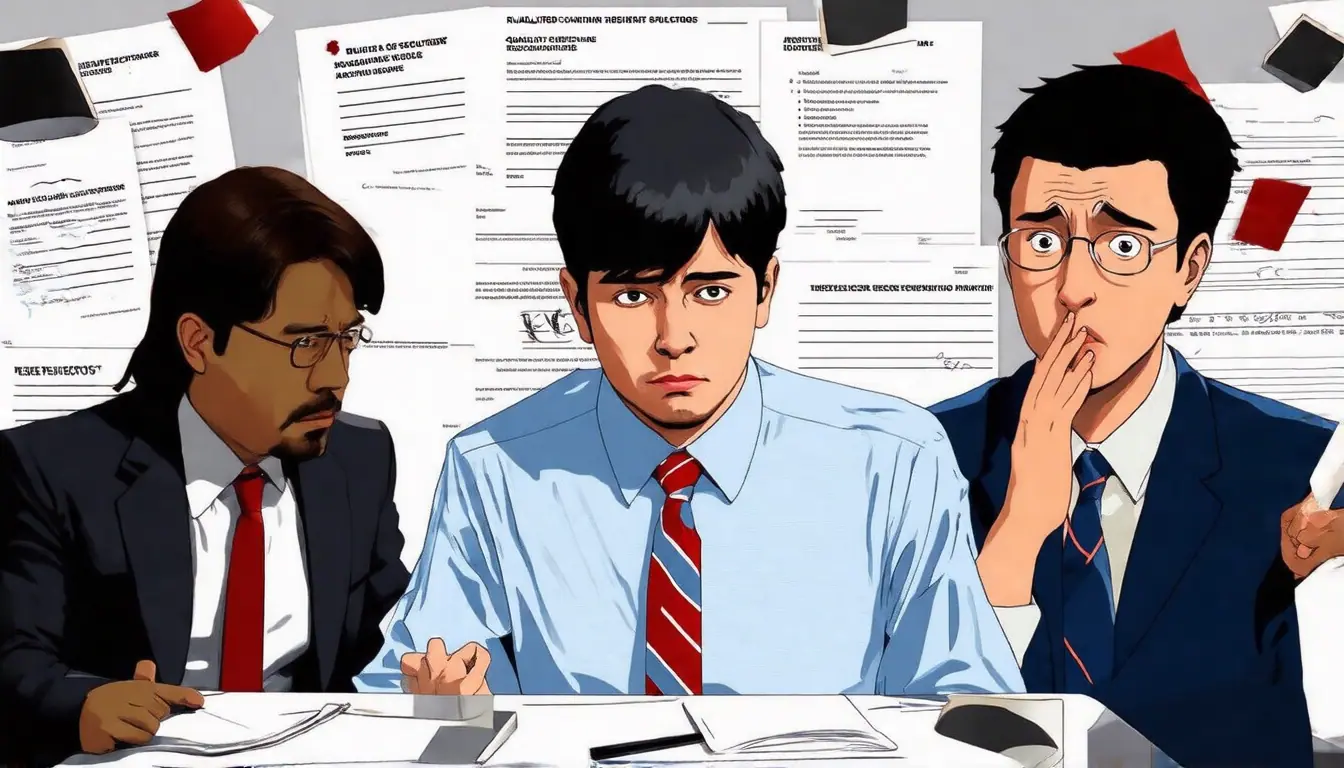
Many qualified candidates find themselves facing job rejections despite seemingly strong applications. They submit resumes that meet every listed qualification. They prepare well for interviews. Still, the job offer does not come. This outcome puzzles them. After all, if they have the skills and experience needed, why does rejection happen? The answer lies in the hiring process, which involves more than just matching skills on paper.
Recruiters and hiring managers do look at qualifications closely. However, their decision goes beyond those facts. They want to know if a candidate fits into the team culture and work environment. Fit plays a significant role in hiring choices. What does fit mean? It refers to how well a candidate’s personality, work style, and values align with the team they might join.
Many job seekers focus on perfecting their resumes. They tailor every detail to the job description. They list all the required skills and accomplishments. Indeed, this is necessary but not always sufficient. The initial resume scan is just one part of a longer process. If a candidate passes that stage, human judgment steps in, and fit becomes key.
During interviews, hiring managers assess not just technical ability but also interpersonal qualities. They watch how a person communicates, reacts to questions, and solves problems. They imagine how that person might interact with existing team members. Will the candidate collaborate effectively? Can they handle the office culture? These considerations influence the final decision.
Another factor hiring managers weigh is potential for growth within the company. A candidate might be highly skilled now but may not align with where the company wants to go in the future. Hiring managers think about long-term contributions and whether a candidate can adapt over time. This forward-looking view can lead to decisions that surprise applicants focused solely on current qualifications.
Sometimes, despite best efforts, the best-qualified person on paper does not get the job. That candidate may lack some personal qualities or team compatibility that others show. Or a candidate with slightly fewer qualifications but a better fit may win the offer. This dynamic means that job seekers need to consider aspects beyond their resumes.
To prepare for this reality, candidates should research company culture. They can use resources like company websites, employee reviews, and social media to understand values and environment. During interviews, candidates should show genuine interest and communicate how they would contribute to the team beyond technical skills. Sharing examples of teamwork, adaptability, and handling challenges can help.
Networking also matters. Candidates who connect with current employees gain insights into the unspoken expectations of a workplace. These contacts may offer advice on what hiring managers look for beyond qualifications. Sometimes internal referrals improve chances, as they carry a level of trust about a person’s fit within the company.
Employers want to build effective teams, not just hire individual talent. In that process, a candidate’s attitude, willingness to learn, and interpersonal skills often weigh as heavily as formal experience. Even the strongest resume may not compensate for a mismatch in these areas.
For job seekers, understanding that being qualified is necessary but not always enough can shift the approach to job hunting. It encourages focusing on how to present oneself as a balanced professional who will integrate well with a team and help the company thrive.
In summary, qualified candidates face rejections because hiring goes beyond skills and experience. Team fit, personality, growth potential, and company culture compatibility influence decisions. Preparing with this in mind can improve how candidates present themselves and increase chances of landing a desired position.