Tragic Discovery: The Heartbreaking Story of a Wells Fargo Employee Found Deceased in Her Cubicle Days Later
In a quiet office building in Tempe, Arizona, a heartbreaking event unfolded that exposed how easily someone can be overlooked, even when surrounded by others in a workplace. Denise Prudhome, a 60-year-old employee at Wells Fargo, entered her office early one Friday morning, on August 16th. She arrived at a corporate office location — not a regular branch — ready to begin her workday. What happened after that was both tragic and unsettling. Denise was found dead at her desk four days later, and nobody had realized she was missing.
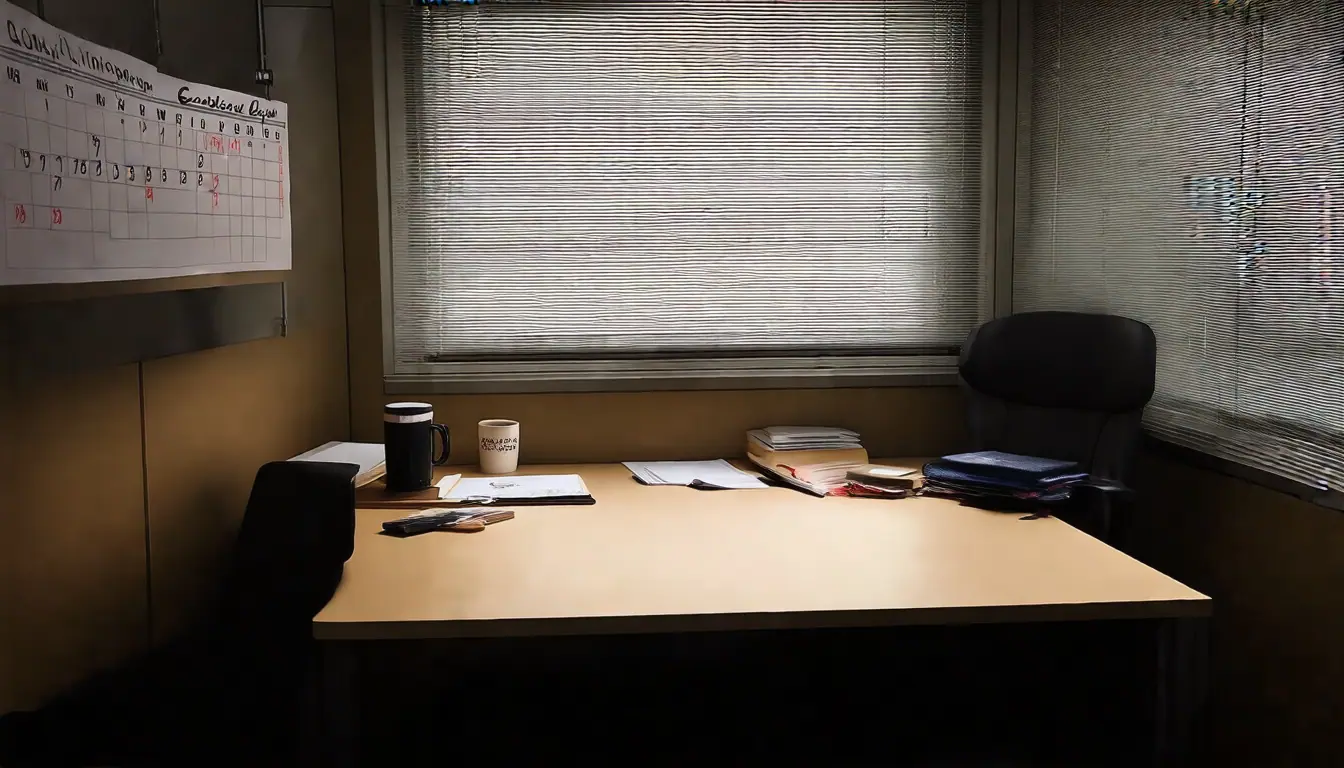
The discovery came only when building security alerted officials on August 20th. An employee, who wished to remain anonymous, explained that a colleague had noticed something alarming while walking through the building and found Denise deceased in her cubicle on the third floor. This area was described as tucked away, away from the main aisles. It seemed this location allowed someone to go unnoticed even when they were no longer alive.
Before Denise’s body was found, other employees had noticed a foul odor. Many thought the smell came from plumbing issues or some other maintenance problem. No one suspected that it was something far more tragic. The fact that this odor was detectable, and yet no one took the time to check on Denise, speaks to a disturbing level of neglect within that workplace.
The officers who arrived on the scene pronounced her dead at 4:55 p.m. Four days had passed since Denise had last clocked in, which means she likely suffered a medical emergency days earlier. Her death went unnoticed during this time because no one checked on her, no one reached out, and no one appeared to notice her absence.
Employees who spoke about the incident expressed a deep sadness. One mentioned how heartbreaking it was to think someone could spend their final moments filling out reports, as if going through the motions of a typical workday, alone and unnoticed. The loneliness and invisibility that Denise experienced at that moment struck a chord with many. The thought that no one at the office checked on her for several days is a harsh reflection of the way this workplace culture failed her.
Questions arise about how someone could remain unseen in an office building. What about management? What about coworkers? Why did no one notice that Denise wasn’t present for meetings or that her work wasn’t submitted as usual? It seemed as if she had been forgotten entirely, even as she literally sat in her cubicle. Some employees wondered whether anyone had invited her to lunch, or simply checked in to see how she was doing during the days before her death.
A Wells Fargo spokesman released a statement expressing sadness over the loss and shared condolences with her family and loved ones. Counselors were made available to help employees cope with the tragedy. The company noted it was cooperating fully with police and did not indicate any suspicion of foul play. Instead, it is believed that Denise likely suffered a health event at her desk, which led to her death.
This incident highlights how cold and disconnected some corporate cultures can feel. Wells Fargo, like many companies in finance, has pushed for employees to return to in-person work visits. The idea is to foster collaboration and connection. But in Denise’s case, those ideals did not match the reality of her experience. She was isolated, tucked away in a quiet corner, and effectively invisible to everyone else in the building.
It is troubling to consider that maybe no one even passed by her cubicle during that long weekend — no janitor, no colleague, no security guard. How could a person go unnoticed for so long in such an environment? The lack of attention to her presence or absence suggests that her work might have been undervalued or overlooked in a way that no one questioned her sudden disappearance.
For those who hear this story, it carries a painful lesson. Nobody should feel invisible at work. Everyone deserves a workplace where their presence is recognized and their health is valued. The idea that someone might feel so underappreciated that their absence would go unnoticed should prompt reflection about company culture and employee engagement.
On a personal level, this tragedy reminds us all to prioritize health and well-being over work pressures. Taking sick days or vacations does not reduce our value; it preserves our lives and well-being. We can’t predict when our final moments will come, but we can insist on workplaces—and relationships—that notice our presence and care for us as individuals.
Sadly, stories like Denise’s reflect a broken system where employees feel like little more than numbers or cogs in a machine. When the tragedy became public, some worried that her job might be posted again very quickly, focusing on replacement rather than remembering her as a person. Her experience should serve as a call to action: employers need to create environments where every employee feels valued and seen.
For those who work in environments where they feel invisible, this is a reminder to seek out better conditions. Find places where your contributions count and colleagues notice your absence if you are missing. Treat your health and wellness as paramount. We need to act as stewards of our own careers because sometimes the company won’t.
Denise Prudhome’s story is a somber reflection on the loneliness and neglect someone can experience within a busy corporate office. She deserved much better. Her family and friends face unimaginable grief, and the company should learn from this loss. The hope is that sharing this story will make workplaces more connected, attentive, and caring to avoid such tragedies in the future.