The One Question That Could Cost You the Job: What Not to Ask in Your Interview
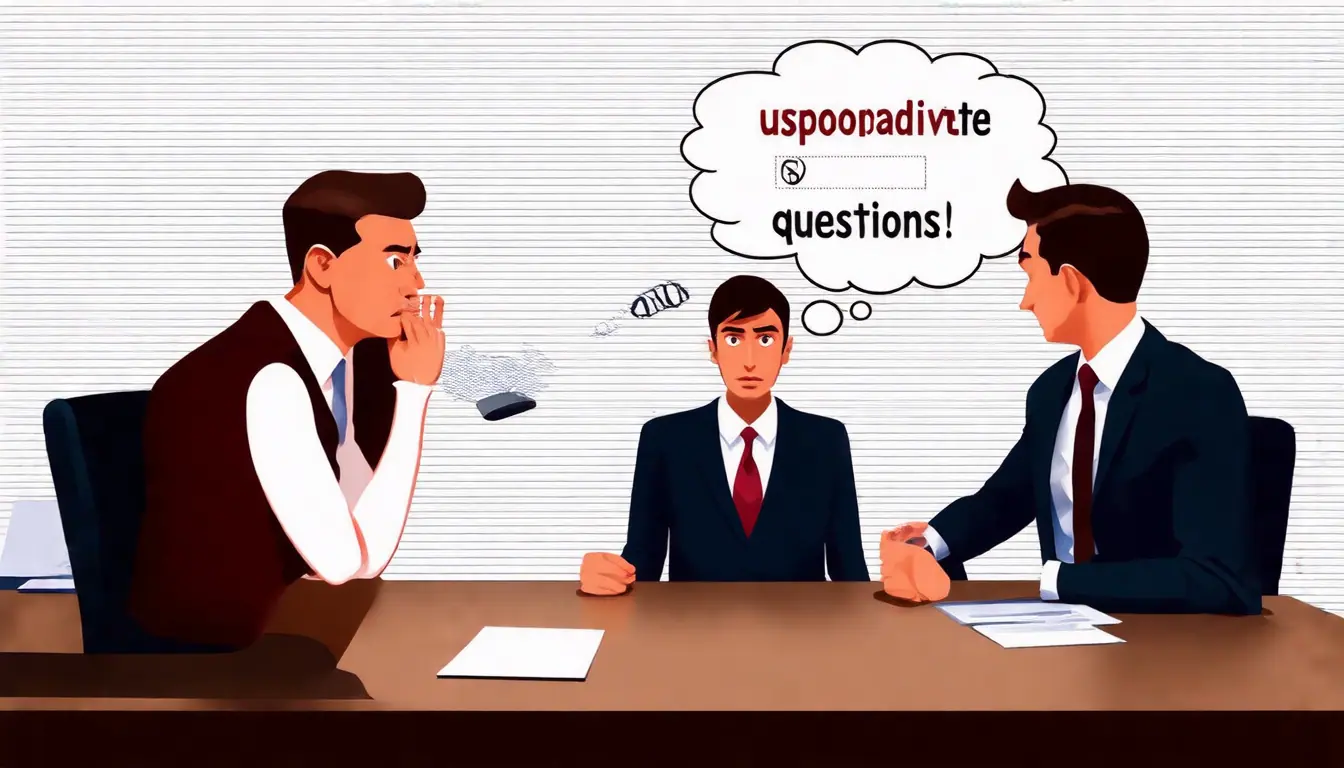
Job interviews often come with a mix of nerves and strategy. Many candidates want to show genuine interest while also determining if they are the right fit for the role. However, some questions that candidates believe help can actually hurt their chances. There is one question, in particular, that you should avoid asking in an interview, as it may reduce your chances of advancing or receiving a job offer.
This question is: “Is there anything about my candidacy that would make you hesitate moving me forward?”
On the surface, this question tries to address concerns proactively. Candidates ask it in hopes of clarifying any doubts the interviewer might hold. The idea is to address possible objections right away and then pivot to emphasizing strengths. You might think it shows honesty and commitment to improving. Yet, the question tends to send negative signals and causes unintended problems.
The Mindset Behind the Question
By posing this question, you signal uncertainty and lack of confidence. It suggests you expect the employer to reject your application, which positions you as desperate or weak. You come across as someone who assumes they will not get the job and who essentially asks to be reassured. This mindset contrasts with the purpose of an interview, which is to present yourself as a strong and confident candidate. Employers prefer candidates who show belief in their fit and value.
The question also implies that you think the employer holds all the power and you must plead for acceptance. In reality, you should approach an interview knowing your skills and experience make you a solid match. It does not mean you are guaranteed a job, but you carry confidence and authority over your career path. Walking into an interview from a position of strength boosts your chances more than appealing for mercy.
How the Question Affects Interview Dynamics
Even if it comes from a good place, this question can create an awkward moment. Interviewers usually do not have a finalized judgment while the conversation is still ongoing. Many times, they want to discuss your candidacy with a hiring team after the meeting. It is often not their role to critique your performance or list weaknesses during the interview.
Some companies have strict policies against sharing detailed feedback immediately. Legal concerns guide them to avoid discussing potential negatives candidly with candidates on the spot. An interviewer might give a vague or generic response to deflect the question, such as “We have all the information we need” or “We will be in touch.” This reaction can feel deflating to candidates who hoped for honest clarity.
From the employer’s perspective, asking you to pinpoint flaws abruptly forces them into a difficult position. They might struggle to answer fairly or diplomatically. It could lead to discomfort or tension at the end of a conversation that you want to close positively. This outcome reduces the goodwill that you should build during the interview.
The Timing Problem
Another issue with this question is when it appears—usually at the end of the interview. By that point, an interviewer often already formed an impression. They begin deciding within minutes of your meeting whether you are a good fit or not. Waiting until the conclusion to try to change their mind can come off like backpedaling or uncertainty about your performance.
The first half of the interview is the real window to make your strongest case. Your answers, examples, and demeanor early on set the tone that influences all later opinions. Attempting to correct perceived negatives at the end rarely makes a major impact. Instead, it risks casting doubt when the conversation should leave a positive final impression.
Better Ways to Learn About Your Fit
If you want to know where you stand or what the role focuses on, choose a more strategic approach. Ask questions early in the discussion to clarify what the interviewer values most in candidates. For example, you can inquire about the main challenges the team faces or the skills that will lead to success in the role.
These questions help you tailor your responses throughout the interview. You show awareness of their priorities and align your experience directly with their needs. This approach equals preparation and confidence. It signals that you understand the job description deeply and want to contribute to specific goals.
Studies and professional recruiters suggest that interviewers decide quickly—sometimes in the first 10 minutes—if a candidate is suitable. Starting strong and matching your presentation to the job requirements creates a positive impression immediately. It also reduces the need for last-minute damage control or awkward questions.
How to Prepare Effectively for Interviews
Research the role thoroughly by reading the job posting carefully. Break down the requirements and note which skills or experiences they emphasize. Before the interview, think about your examples that most directly address these points. Practicing concise stories that highlight your accomplishments related to their criteria builds readiness.
Also, prepare insightful questions to ask your interviewer at the start or during the interview. These might include topics about team structure, key responsibilities, or company culture. Such dialogue shows you care about how you fit and want to ensure mutual benefit. Keep your tone positive and confident, focusing the conversation on strengths and opportunities.
Avoid spending interview time on concerns or insecurities. Focus instead on sharing achievements, demonstrating enthusiasm for the job, and engaging professionally with the interviewers. This approach allows you to build a strong personal brand and increases your chances of receiving a job offer.
If you seek more structured help with interview skills, there are resources developed by hiring experts. Some offer courses that help you prepare in as little as 48 hours. These training materials break down how to analyze job postings, prepare answers, and navigate different interview stages. They also teach how to strategize your questions and communicate your fit clearly.
Final Thoughts
Asking if there is anything about your candidacy that would cause hesitation can feel honest and transparent. However, it tends to raise negative flags and put you in a weak position. Most interviewers are not poised to give upfront criticism, so the question can create uncomfortable moments and may not yield useful feedback.
It works better to position yourself positively from the start. Research the job, tailor your answers, and ask thoughtful questions early to understand the employer’s priorities. Show confidence and focus on demonstrating how your skills match the role. By ending the interview on a strong, upbeat note, you make the best lasting impression.
Keeping your interview conversations positive helps employers remember your strengths. It should reflect your professionalism and self-assurance rather than doubt. Avoid that one question that could cost you the job and replace it with curiosity and confidence that opens doors.