
The Job Hunt Struggles of a Gen Xer with an MBA: A 15-Year Journey Through Career Challenges
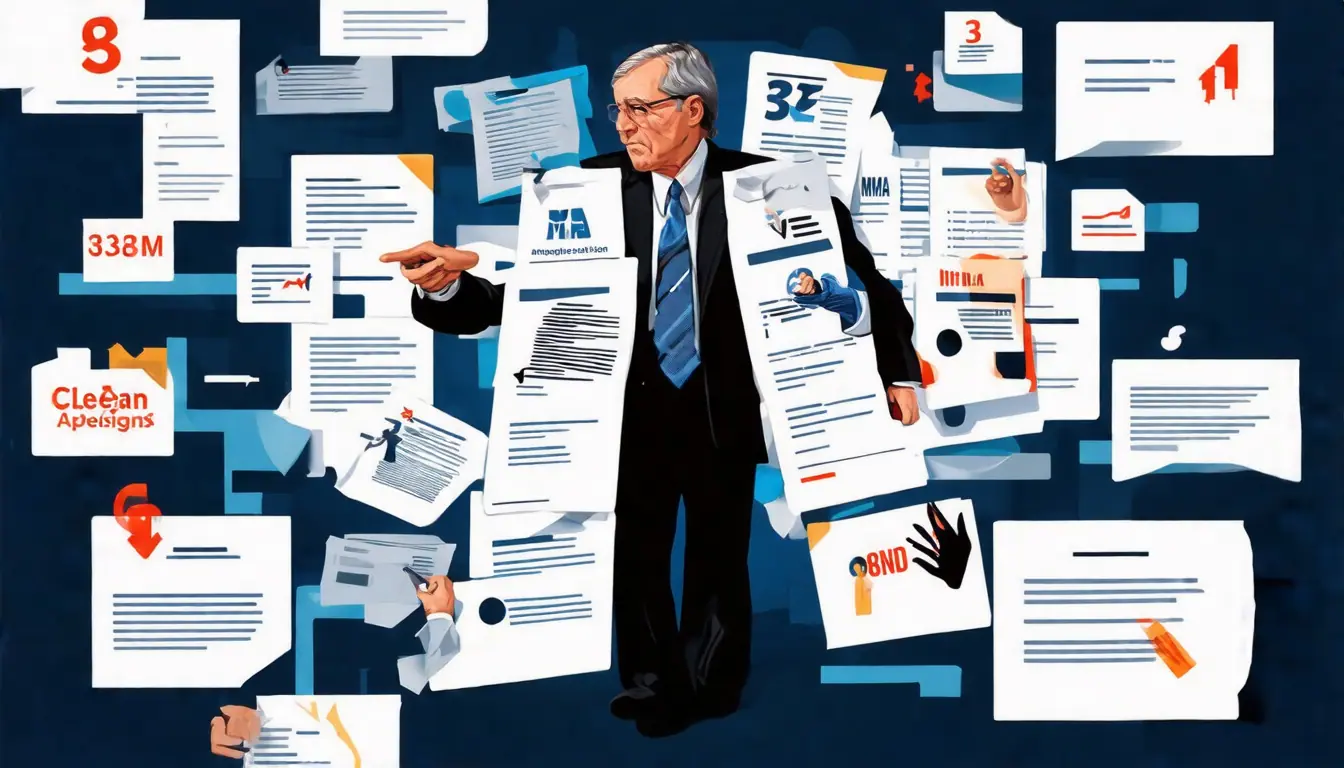
The job market poses challenges for many, even those with strong qualifications. Among those who find the current landscape difficult is a Generation Xer with an MBA who has spent 15 years applying for jobs without success. His story provides insight into the complex factors that can affect job seekers, especially those trying to re-enter the workforce or change career directions after a significant gap.
Marcel Konis, a 48-year-old professional, has an intriguing career background. Early on, he worked in technology without a formal diploma, securing roles including head technician and IT manager. As job qualifications tightened over the years, he returned to school, earning a bachelor’s degree in computer programming followed by an MBA. Despite these credentials, he has struggled to find stable employment in tech or counseling fields in recent years. He lives in rural eastern Pennsylvania, away from major tech hubs, which further restricts his job options geographically.
Marcel has applied to roughly 1,500 positions since the early 2000s. Yet, interviews rarely come, and stable job offers have not appeared. He has held part-time jobs and even built his own inventory software business, selling it to companies. Still, substantial long-term employment eludes him. He attributes much of the difficulty to the changing nature of hiring practices and the job market itself.
One key challenge Marcel faces relates to his location. Rural areas often have fewer job openings in technology, especially high-paying or advanced roles. Commuting distance limits where he can look for in-person positions. Although remote work could widen his options, such opportunities have shrunk recently. Several major companies, including Amazon, have ended remote work policies and now require employees to return to the office full-time. This change has pushed many skilled remote workers back into local job markets, increasing competition.
This surge in job seekers affects not only those new to the workforce but also experienced professionals like Marcel. He finds himself competing with people who have recent tech experience and those new graduates who enter the job market every year. Those fresh from college have up-to-date training and no employment gaps, making them attractive candidates for many roles, including entry-level positions. Meanwhile, Marcel’s career history shows significant gaps, with his most recent meaningful experience dating back years.
Employers often emphasize recent work experience more than academic credentials in hiring decisions. Even with an MBA, Marcel cannot overcome the perception that his skills might be outdated or that he has not kept pace with industry changes. His focus on traditional job search methods, such as submitting resumes through online applications and waiting for callbacks, limits his chances. These systems often leverage artificial intelligence or automated filters that screen out candidates with gaps or who don’t match exact criteria.
Marcel also notes the loss of human interaction in job searching today. The process feels impersonal, making it harder to demonstrate his strengths or explain any employment gaps effectively. This depersonalization frustrates many candidates who once relied on networking, referrals, and personal connections to find jobs.
Modern job hunting involves more than sending out hundreds of applications. Candidates must build relevant skills continuously, develop professional networks, and tailor their job search to current market demands. For someone like Marcel, this might mean participating in industry groups, attending workshops, or working on projects that showcase up-to-date abilities.
Concerns about personal data privacy in the job application process also arise. Marcel’s many applications expose him to multiple third-party companies that collect and verify applicant information. These data brokers may share or sell sensitive details, risking identity theft or misuse. This aspect adds stress and calls for protective measures to safeguard personal information in digital spaces.
The experience of Marcel highlights that an MBA and other degrees do not guarantee easy employment. Employers seek candidates who show recent, relevant, and demonstrable skills matched to their open positions. Gaps in employment and location constraints only increase the difficulty. For those in similar situations, adapting to the changing hiring environment becomes essential.
Building experience through freelance projects or contract work can help bridge gaps. Updating skills with certifications or specialized training keeps resumes current. Networking remains a valuable strategy, even if its form has shifted online. Reaching out directly to hiring managers or industry insiders may create opportunities beyond what’s posted publicly.
Job seekers should also consider the evolving dynamics of remote work and office requirements. The demand for remote roles has shrunk in some sectors, forcing candidates to rethink geographic limitations. Flexibility, willingness to relocate, or pursuing related fields might increase chances of employment.
While credentials matter, practical experience and recent activity weigh heavily. Employers want assurance that candidates can hit the ground running. Candidates with gaps should prepare to address these candidly and illustrate their ongoing commitment to professional growth.
Marcel’s story serves as a reminder that succeeding in today’s job market requires more than strong academics. It demands adaptability, persistence, and proactive engagement with the realities of hiring practices and technology.
In the face of these challenges, maintaining a realistic perspective and continuously honing skills can improve job prospects. The journey may be long, but strategic efforts focused on current market needs can open new doors.
For job seekers experiencing similar difficulties, exploring all avenues—education, networking, skills development, and data protection—can help navigate the complex path to employment. The changing environment asks for more than waiting for responses to applications; it calls for active career management and a willingness to evolve.
This story underscores how various factors—location, industry shifts, technology, and hiring approaches—intertwineto shape job search outcomes. Understanding these elements enables individuals to plan more effectively and remain resilient during their career pursuits.
In sum, the job hunt for a Gen Xer with an MBA like Marcel can turn into a prolonged challenge. Each person’s path differs, but learning from such experiences offers valuable lessons for anyone navigating today’s employment landscape. The key lies in embracing change, protecting one’s identity, and continuously moving forward.
By recognizing the obstacles and adjusting strategies accordingly, the journey toward meaningful work can progress one step at a time. Marcel’s story, while tough, can inspire others to rethink old approaches and find new ways ahead in their own careers.