Navigating Job Applications: Will an AI-Generated Resume Lead to Rejection?

With artificial intelligence becoming a common tool in workplaces, its role in the job market grows every day. Employers increasingly use AI tools to improve recruitment processes. At the same time, job seekers are using AI to enhance their applications and speed up their search for employment. This shift raises a question many candidates face now: do employers mind if applicants use AI to create their resumes? And can employers tell if AI was involved in the application?
Over the past few years, tools like ChatGPT have transformed work environments and recruitment. Companies rely on such technologies to write job descriptions, prepare interview questions, take notes from interviews, and even organize applicant flows. This use of AI aims to make hiring more efficient and sometimes reduce manual labor costs.
Employers seem comfortable using AI to find and attract candidates. Yet, a contradiction emerges. Many frown on candidates who turn to AI for help in preparing resumes or cover letters. This attitude sometimes feels like a double standard. On one hand, companies benefit from AI’s efficiencies; on the other, they suspect job seekers of unfairly using AI to craft polished applications.
An event called RecFest offered clear insights into this topic. Held in Nashville, RecFest is one of the world’s largest talent acquisition conferences. It gathers major corporations, recruiting experts, and applicant tracking system (ATS) software providers. There, recruiting professionals discussed labor market trends, often touching on AI’s expanding presence in hiring.
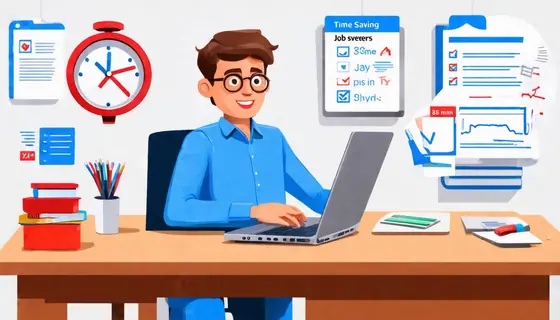
When it comes to job seekers, AI can speed up resume customization and formatting. Rather than writing each version from scratch, candidates can input a base resume into an AI tool and generate multiple tailored copies quickly. These tools can also help prepare for interviews by suggesting answers or framing experiences. However, some recruiters worry AI-generated interview responses may not truly reflect a person’s achievements or voice.
Another AI tool gaining traction is the mass job applicant, which takes resumes and applies to hundreds or thousands of jobs simultaneously. This tool saves time but may cause job seekers to send applications without considering fit or long-term goals. Critics warn that blindly applying to many positions could harm a candidate’s reputation or lead to sharing data extensively with unknown companies.
Mass applications also raise privacy concerns. When job seekers submit information to numerous job boards, their data often reaches brokers who resell it. This practice puts personal details on the public internet without candidates’ full knowledge. Services like Delete Me now help users find and remove their personal information from online data collectors. These services monitor digital footprints and scrub identifying details to improve privacy for job seekers.
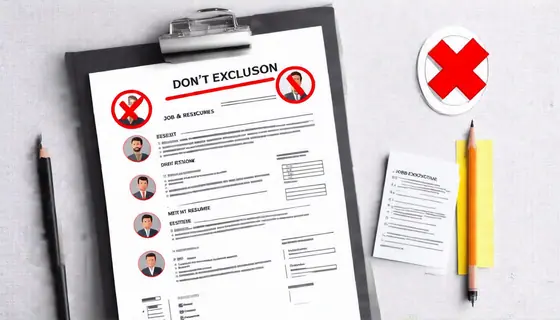
Back to AI’s role in resume creation: do employers care if AI helped? Survey data sheds light on the matter. A recent poll by a resume service found that 53% of hiring managers see AI-generated fake resumes as a major red flag. Fake resumes that exaggerate skills, pad experience, or misrepresent someone’s background tend to draw strong disapproval.
In fact, misusing AI to lie during the hiring process can lead to outright rejection. For example, candidates who use AI to complete coding tests without doing the work themselves are taking a risk. Recruiters view this as dishonest and grounds for termination if discovered later. Accuracy and honesty remain critical. AI must not be a tool to deceive employers.
However, many recruiters are open to responsible AI use. Those who attended RecFest noted that moderation matters. Using AI as a writing assistant to polish wording or to format information cleanly is acceptable. Bringing a draft resume to AI for customization by adjusting phrasing or highlighting relevant skills can improve clarity. Such use does not replace the candidate’s core content.
Similarly, in technical roles, recruiters don’t object when candidates use AI to draft code snippets for practice or to deepen their understanding. What they reject is wholesale AI-generated projects submitted as one’s own work. Interviews remain the place to demonstrate true skills and knowledge.
Employers can often spot AI-generated resumes because these resumes share certain traits. They tend to be generic, overly polished, or contain phrases that sound unnatural or formulaic. Experienced hiring managers and recruiters develop an instinct for distinguishing human-written documents from AI outputs. This "eyeball test" still plays a role in early resume screening.
Applicant tracking systems may also flag keyword stuffing or repetitive language common in AI resumes. These systems rank resumes based on relevance, and unusual patterns might prompt closer review. Candidate behavior during interviews can confirm whether the claims on a resume are truthful.
Therefore, authenticity proves essential. Leveraging AI to enhance a genuine resume — improving language, checking grammar, or suggesting better ways to present existing skills — is safe and practical. On the other hand, creating a fake profile or misrepresenting experience runs the risk of immediate rejection or future consequences.
Job seekers also face decisions about how much automation to use in their search. Some rely heavily on AI tools to apply widely but may lose touch with meaningful employer engagement. Applying mindfully to well-researched companies increases the chances of a good fit. Using AI to research companies or tailor cover letters can help candidates prepare more thoroughly.
In the end, AI brings many opportunities and challenges to job applications. Employers use it to recruit smarter and faster. Job seekers can benefit too, but only if they use AI responsibly to support their true qualifications and job goals.
Candidates can keep privacy in mind by monitoring where their information goes during mass applications. They should check that resumes sound like their own voice and reflect honest achievements. Upcoming hiring processes are likely to mix traditional evaluation with new technology. Staying honest and clear will remain the best path to securing offers.
To sum up, AI-generated resumes do not automatically lead to rejection. The key is how job seekers use AI. If AI serves as a helper in editing and formatting, recruiters generally approve. If AI creates fake or misleading content, it raises serious concerns and often leads to rejection. Interviewers and applicant tracking systems can detect signs of heavy AI involvement, especially when results do not match skills.
Using AI thoughtfully is an advantage, but honesty remains the most valuable trait. Job seekers who align AI tools with their real experience and goals stand the best chance of success.