The Latest in Mining Safety Protocols & Environmental Innovations
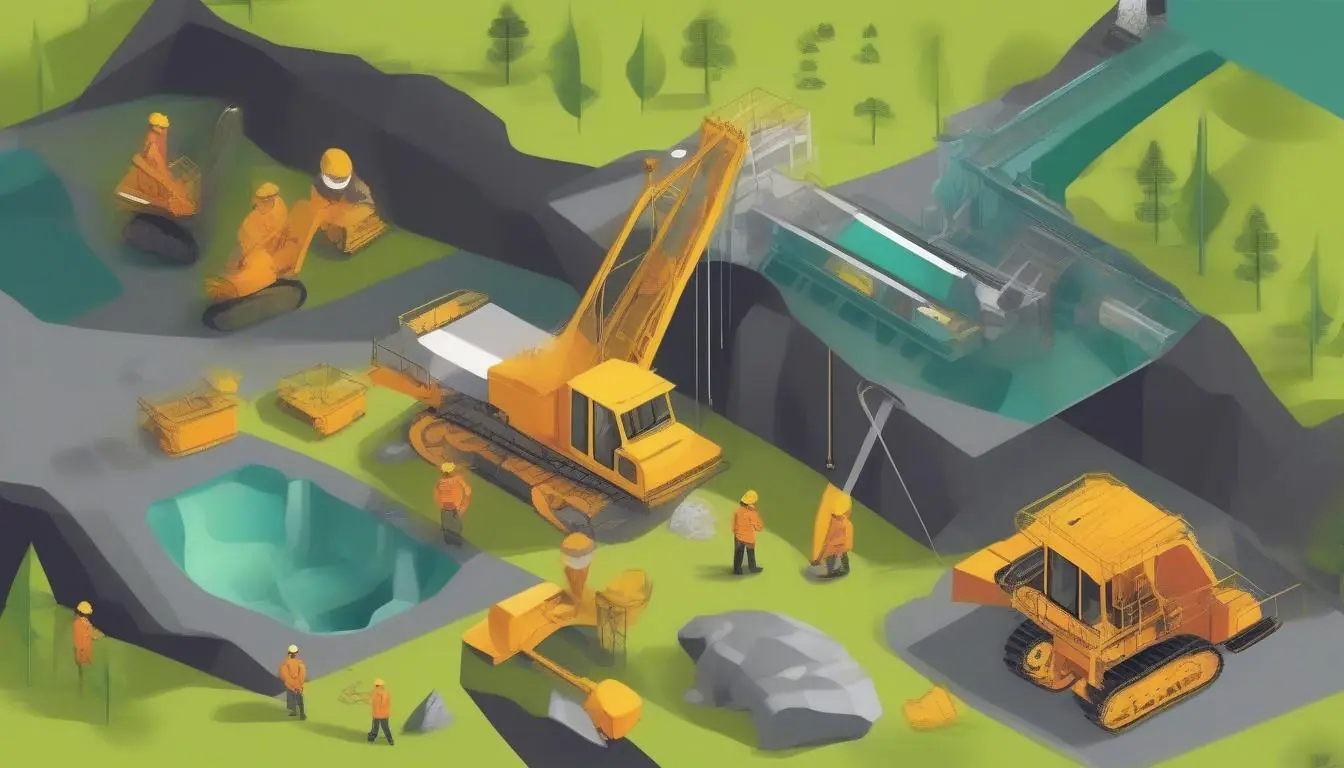
The mining industry continues to grapple with the dual challenge of enhancing safety protocols while minimizing environmental impacts. Recent developments underscore this ongoing struggle, highlighting various initiatives aimed at promoting sustainability and mining safety operations around the globe.
Rehabilitation Efforts at Abandoned Mine Sites
One significant focus area is the rehabilitation of toxic former mining sites. The Northern Territory government in Australia has announced plans to rehabilitate the Redbank Copper Mine, which has long been considered one of the region’s most hazardous locations. Traditional owners are insisting that such efforts must precede any new mining projects on their lands. This highlights a broader trend in the industry where Indigenous custodians increasingly influence decisions on mining activities, ensuring that environmental concerns are addressed before further exploitation can take place.
Innovations in Clean Energy Usage
As the mining sector seeks to reduce its carbon footprint, a notable example comes from the Dugald River zinc mine in Queensland. This operation aims to become the first in the region to harness wind energy, complementing its existing solar power use. Such initiatives not only support the industry’s goal of achieving carbon neutrality by 2050 but also enhance mining safety by reducing reliance on fossil fuels and minimizing hazardous emissions. This push toward renewable energy sources helps mitigate the environmental impact of mining activities while creating a safer, more sustainable workplace.
In a similar vein, major mining companies are advocating for the adoption of zero-emission technologies and the transition from fossil fuels. Industry representatives are calling for a comprehensive overhaul of existing environmental regulations to support these shifts, as they believe that outdated laws may hinder the industry’s ability to adapt and thrive amidst the changing economic landscape.
Legal and Regulatory Developments
Recent legal decisions have also made headlines, affecting mining operations and their relationships with local communities. For instance, a court case against the salt mining company that caused significant mangrove dieback in Adelaide resulted in a civil settlement of $100,000. This serves as a reminder of the accountability that mining companies face regarding their environmental stewardship.
On another front, the Albanian government faced criticism for not conducting adequate site investigations prior to halting a proposed million-dollar gold mine in Blayney, New South Wales. Such controversies underscore the importance of thorough assessments to balance economic needs with environmental protections.
Community Concerns and Protests
The interactions between mining companies and local communities remain fraught with tension, particularly around proposed land use changes. In Victoria, farmers are expressing grave concerns as the government approved two new mineral sands mines, potentially impacting 5,000 hectares of agricultural land. Local opposition has been vocal, with community members and environmental activists mobilizing against projects that threaten their livelihoods and the environment.
Moreover, incidents involving protests at mining sites have raised broader safety issues. In one notable case, authorities utilized extreme measures, including a helicopter and sharpshooter, to control demonstrations at a mining site. Such confrontations highlight the ongoing struggles over land use and environmental protection, stressing the need for improved dialogue between mining companies, governments, and communities.
Conclusion
The current landscape of mining safety and environmental practices illustrates a complex interplay between advancing technologies, regulatory frameworks, and community sentiments. As the industry continues to evolve, the integration of sustainable practices and robust safety protocols will be crucial not just for compliance but for the social license to operate. This principle applies equally to sectors like oil and gas, where specialized firms such as an Oil and Gas Recruitment Agency play a key role in sourcing talent that prioritizes safety and sustainability. Moving forward, it will be essential for all stakeholders—industry leaders, government regulators, Indigenous communities, and environmental activists—to engage collaboratively to ensure that mining and energy extraction can be conducted responsibly and sustainably for future generations.
The mining industry’s future hinges on balancing safety, sustainability, and stakeholder collaboration. As innovations and regulations evolve, staying informed is key. For more insights on mining trends and sustainable practices, connect with me on LinkedIn. Let’s engage in meaningful discussions to drive responsible mining forward.