Mastering the Interview: Striking the Right Balance Between Professionalism and Personal Connect

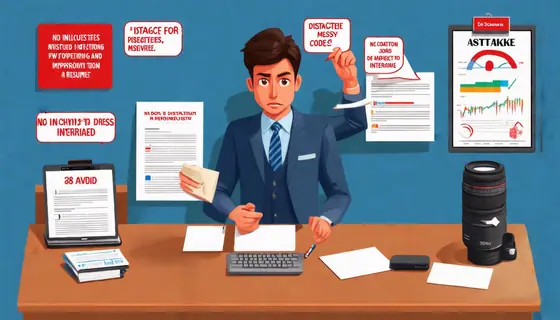
When preparing for a job interview, it is easy to feel the need to open up, hoping to build warmth and connection with the interviewer. Sharing personal stories can sometimes seem like a way to show authenticity and stand out among other candidates. Yet, revealing too much about your private life can hurt your chances more than help, even if your intent is honest. Finding the right balance between professionalism and personal connection is essential for a successful interview.
Often, candidates get too comfortable during interviews. They may start sharing details about why they left their previous job, personal challenges, or private opinions. While these details might seem harmless or even appealing, interviewers may unconsciously develop biases based on this information. For example, if you explain leaving a job due to a conflict or personal issue, the interviewer may view you as a potential risk, even if you are fully qualified. Office politics or company culture may also shape their perceptions in unintended ways.
We do not always know our audience well in an interview setting. The interviewer could have values or beliefs we do not completely understand. What seems like an honest story to us might touch on sensitive points for them. Because of this, it is smart to avoid oversharing anything too personal. Keeping personal details limited helps keep the interaction professional and focused on your skills and experience, the elements that matter most to your candidacy.
Sticking to business topics means focusing on your professional background, achievements, and how you can add value to the company. You can describe your accomplishments clearly and confidently, explaining how you overcame challenges related to work without slipping into personal narrative. When asked about reasons for leaving previous roles, choosing your words carefully matters. Instead of focusing on personal conflict or dissatisfaction, frame your response around your desire for growth, new opportunities, or alignment with the company’s goals. This approach shows maturity and professionalism without diving into personal issues that might be misinterpreted.
Building rapport in an interview does not require sharing private information. Simple acts like maintaining eye contact, listening attentively, and showing enthusiasm for the role can create a positive connection. Using professional stories or examples helps your interviewer see your fit for the job. People appreciate candidates who bring authenticity through their work ethic and attitude, not through personal oversharing.
Clear communication plays a key part in balancing professionalism and personal connection. You want to come across as genuine without crossing boundaries. Preparing answers to common questions ahead of time is useful. Practice sticking to relevant facts, staying positive, and avoiding anything that might raise red flags. If a question seems too personal or irrelevant, it is okay to gently steer the conversation back to your skills or the job requirements.
Sometimes nerves drive candidates to overshare unintentionally. Feeling pressure to fill silence or make a memorable impression can lead to sharing details best kept private. Being mindful of this tendency helps maintain control during the interview. Taking a deep breath, pausing before answering, and focusing on your key messages can reduce the urge to slip into personal territory.
The interview room is a professional setting, even if it sometimes feels informal. Interviewers want to assess your fit for the role, assess your skills, and understand how you will interact with the team. They do not need to know your life story. Respecting this unspoken boundary guards your chances and keeps the interaction positive for both sides.
In summary, mastering the interview involves striking a careful balance. Share enough personal warmth to engage the interviewer but not so much that it distracts or harms your position. Choose your words carefully, keep the focus on business, and prepare thoughtfully. By doing this, you create a professional impression while also connecting on a human level. This strategy improves your chances for success without risking bias or misunderstanding.
Practice this balance in every interview. Respect the setting. Be cautious with personal information. Focus on your strengths and qualifications. This approach helps you stand out for the right reasons and moves you closer to your career goals.