Mastering the ATS: 2025 Essential Resume Strategies to Stand Out!
Navigating the job market today requires more than just listing your skills and experience. Recruiters sift through countless resumes, often spending only seconds on each one. If you want yours to catch their attention, especially in 2025, it needs to follow specific guidelines tailored to modern hiring practices and applicant tracking systems (ATS). Having reviewed thousands of resumes as a recruiter, I’ve noticed clear patterns in the ones that succeed. They tend to follow six key principles that help them stand out. Here’s a detailed breakdown of these essential strategies.
- Keep the Format Simple and Clear
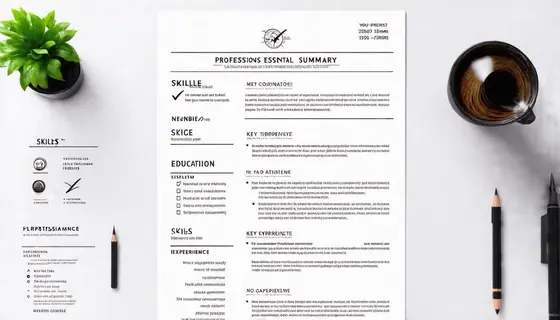
The first rule for a resume that gets noticed is simplicity. Forget fancy graphics, bright colors, or complex layouts. ATS software can struggle to parse resumes filled with unusual design elements. This means your resume must have a clean, easy-to-read layout. Use a single, standard font and format. The goal is to create a document that both humans and machines can read quickly.
Avoid clutter by using clear headings and bullet points. Each section should stand out naturally, without extra borders or shading that distract. White space is your friend—it makes the resume less intimidating. Though some people stick to a one-page resume thinking it’s ideal, I have never placed a candidate with such a short document. If your experience requires more space, use it, but stay concise and relevant.
- Prioritize Relevant Keywords
ATS software scans resumes for keywords that match the job description. If your resume lacks these words, it may never reach a human recruiter. Focus on reading the job listing carefully and mirroring the language used. For example, if the job asks for “project management,” use that term rather than “project coordination.” Be natural with your language; stuffing keywords randomly can seem forced.
Place keywords in context. Instead of listing skills in isolated sections only, integrate them throughout your job experience descriptions. Show how you used those skills to deliver real results. This approach helps both the ATS and recruiters understand your suitability.
- Use Clear and Consistent Section Headings
Section headings guide both the ATS and the recruiter through your resume. Stick with standard phrases like “Work Experience,” “Education,” “Skills,” and “Certifications.” Avoid creative or unusual headings that might confuse parsing software. Consistency also matters—keep one format for dates, job titles, and company names throughout.
Each section should follow a logical order. Most recruiters expect your professional experience to appear before education unless you’re a recent graduate. A predictable structure helps you seem organized and focused.
- Highlight Achievements, Not Just Duties
Rather than listing tasks you performed, emphasize what you accomplished. Use strong action verbs and quantify your achievements with numbers whenever possible. For instance, don’t just say “managed a team.” Instead, write “led a five-person team to increase sales by 20% over six months.”
Achievements tell recruiters how you added value in your previous roles. They convey capability and effectiveness, which qualities hiring managers want to see early on. This approach also makes your resume more engaging and memorable.
- Tailor Each Resume to the Job
Generic resumes rarely work in today’s competitive landscape. You should adjust each version of your resume to fit the specific job you want. This doesn’t mean rewriting everything but adapting key sections.
Start with a summary or objective that reflects the role’s requirements. Then, prioritize experiences and skills relevant to that job. Remove unrelated positions or details if they distract from your focus. Tailoring shows you understand the role and took the time to make your application fit.
- Include Additional Relevant Sections
Depending on your background, consider adding sections that showcase your suitability beyond basic experience and skills. Certifications, training, volunteer work, or awards can strengthen your profile. Make sure these sections remain concise and relevant.
In fields like IT or healthcare, licenses and certifications often prove essential. In creative industries, a portfolio link or publications list could bolster your candidacy. Use these additional sections wisely to set yourself apart.
Closing Thoughts
The 2025 resume must balance simplicity with strategic content. It needs to be readable by both machines and people, making a clear case for why you are the right candidate. Avoid flashy designs and lengthy pages that dilute your message. Focus instead on clarity, relevance, and impact.
By following these six key principles—simple format, relevant keywords, clear headings, achievement focus, tailored content, and relevant extra sections—you increase your chances of passing ATS filters and impressing recruiters. With a well-crafted resume that respects these elements, you stand a better chance of landing interviews and, eventually, the job you want.
Remember, recruiters often decide in seconds whether to keep your application. Your resume’s design and content must work together to make those seconds count. Review your resume regularly and update it as you gain experience and skills. Staying current with resume strategies prepares you for a job market that continues to evolve.
Use this knowledge to create a resume that stands out confidently in 2025. Good luck with your job search!