Energy Sector Funding & Investment Trends
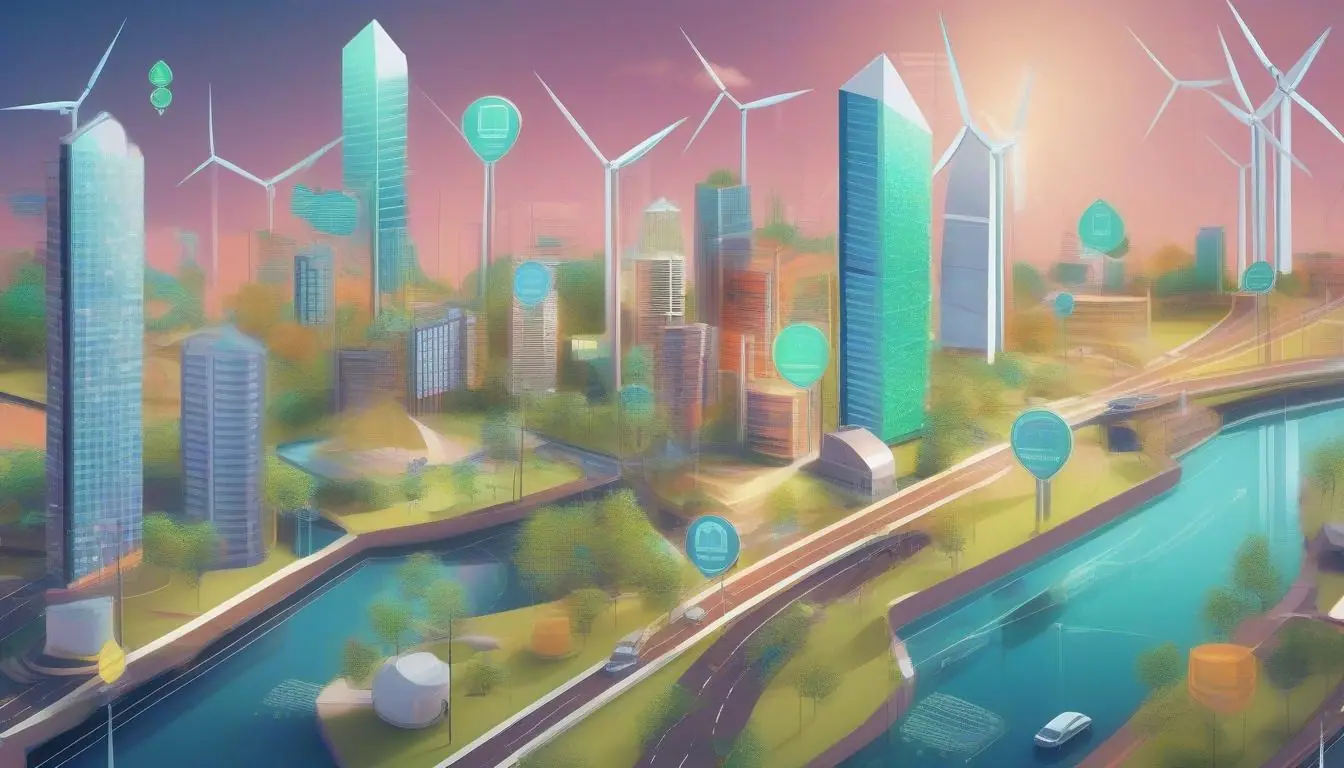
The energy sector is undergoing a transformative phase characterized by rapid shifts in investment patterns and a growing focus on sustainability. As global energy demands rise and the urgency for clean energy solutions intensifies, understanding the latest funding and investment trends is crucial. This article synthesizes recent developments from various authoritative sources to illuminate the current state of energy sector investments.
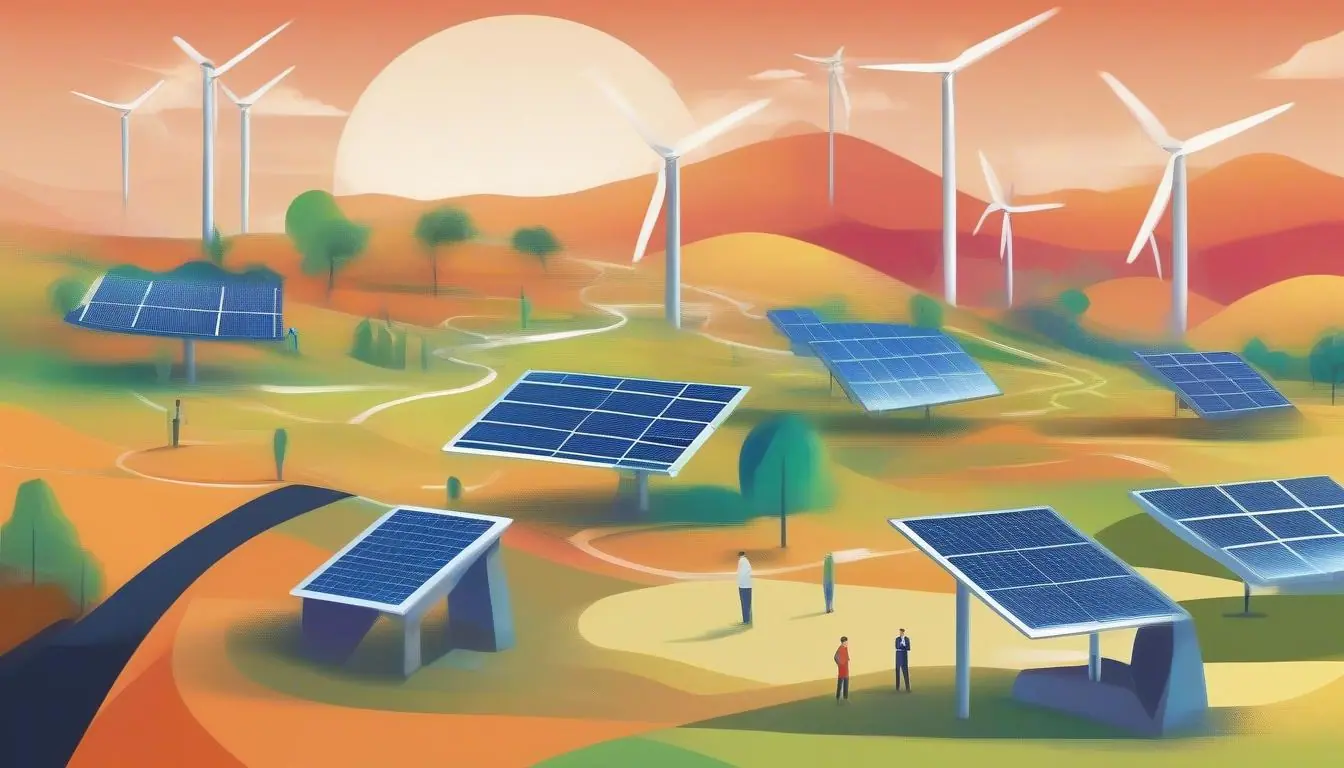
Accelerating Clean Energy Investments
According to recent reports, global energy investment is poised to exceed USD 3 trillion in 2025, with clean energy technologies, infrastructure, and conservation accounting for a staggering USD 2 trillion of that total. This shift towards renewable energy has been significant since 2020, marking a pivotal moment where investments in clean energy surpass those in traditional fossil fuels. The projected spending on solar photovoltaic (PV) technology alone is expected to exceed USD 500 billion, emphasizing solar’s critical role in the transition toward a cleaner energy future.
The increase in clean energy spending can largely be attributed to policy initiatives aimed at reducing emissions and promoting technological advancement. Consequently, countries are increasingly adopting supportive regulatory frameworks that encourage investments in renewable energy projects. For instance, the Philippines’ Department of Energy (DOE) is leading efforts to create an investor-friendly climate by implementing policies focused on sustainability and infrastructure development. This proactive approach signals a welcoming shift for potential investors in the energy sector.
Investment Trends in Emerging Markets and Economies
While advanced economies and China dominate clean energy investment, emerging markets and developing economies (EMDE) are also starting to show promise. Investment in clean energy within these regions is projected to rise by over 50% since 2020, highlighting positive developments in countries like India, Brazil, and various states in Africa. However, significant disparities remain, with many least-developed economies struggling with high debt burdens that inhibit energy investments. Currently, EMDE outside of China accounts for only about 15% of global clean energy investments—a figure that underscores the urgent need for heightened funding and policy support in these areas.
Challenges persist, particularly regarding the integration and upgrading of electrical grids, which have often lagged behind investments in generation capacity. Despite infrastructure bottlenecks, anticipated spending on grid infrastructure is expected to rise in 2025, reaching USD 400 billion due to emerging policies and funding mechanisms.
Key Policy Initiatives and Regulatory Frameworks
The Philippines is making strides in creating a conducive environment for energy sector investments through comprehensive initiatives. The lifting of foreign ownership restrictions on renewable energy projects and the introduction of the Green Energy Auction Program (GEAP) are pivotal steps that have already spurred substantial investment. So far in 2025, the DOE reported that the energy sector accounted for 95% of record-breaking investments, quantifying more than PHP 1.29 trillion, showcasing the significant role renewable energy plays in the national economy.
An array of incentives, including income tax holidays and preferential rates on gross income, further enhance the attractiveness of investments in this sector. Coupled with simplified application processes for developments, these policies are expected to drive additional interest in renewable energy projects.
Conclusion: The Road Ahead
The future of the energy sector hinges on balanced investments across traditional and renewable sources, bolstered by effective policies and innovative financing mechanisms. As countries globally move toward sustainable energy solutions, the surge in investments, particularly in clean energy technologies, represents a significant step in addressing the dual challenges of energy demand and climate change.
The call for enhanced cooperation from financial institutions and public agencies will be critical in realizing the full potential of energy transformation. As stakeholders align their objectives and engage in meaningful dialogues, the energy landscape is poised for even greater transformation, paving the way for sustainable development and a cleaner future.