LinkedIn’s “Open to Work” feature offers job seekers a way to signal their availability. A green banner appears around your profile picture if you choose the public option. LinkedIn claims this banner can boost your chances of being noticed. But does it work as expected? As someone who spent nearly ten years as a full desk agency recruiter, placing candidates worldwide, I’ve seen how hiring managers react to this feature. I’m sharing what I’ve learned, including the pros and cons of the green banner and a better approach to using LinkedIn to unlock career opportunities.
Understanding the Two Open to Work Options
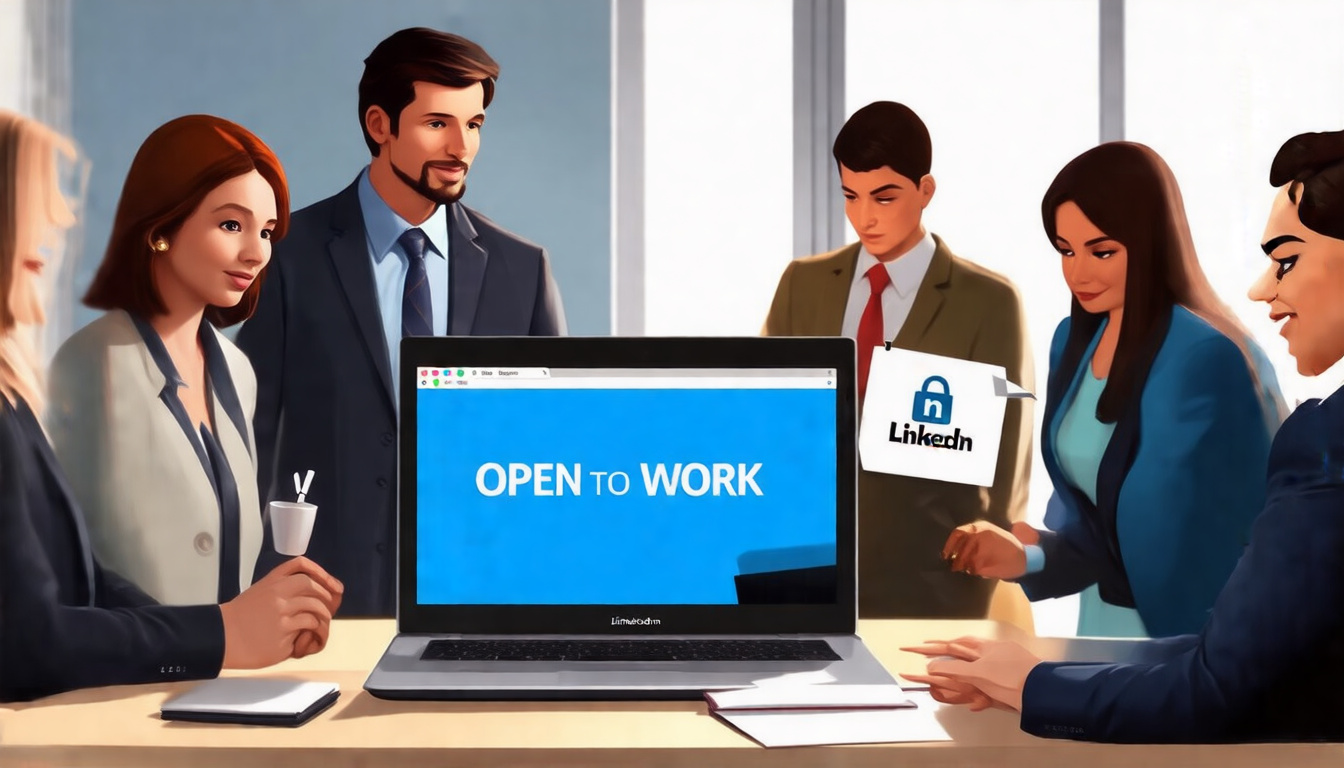
LinkedIn’s Open to Work feature offers two choices. The first option is the visible green banner that wraps around your profile photo. This alerts anyone who visits your profile that you are currently looking for a job. Many job seekers use this because it boldly states their intent. It’s simple and public.
The second option is less obvious. You can set your status so only recruiters can see you are open to new opportunities. This option removes the green banner. It signals your availability discreetly. Recruiters with LinkedIn’s recruiter accounts have access to this signal, but your broader network and other profile visitors do not.
Both options appear helpful on paper. They tell people you want a new job. But they don’t always work the way you hope.
The Unexpected Impact of the Green Banner
Behavioral psychology reveals that humans have a natural negativity bias. We remember negative information more strongly than positive. This affects how hiring managers view your profile. When they see the green Open to Work banner, they might wonder, “Why hasn’t this person found a job yet?” or “Is there a flaw in their skills or experience that’s holding them back?”
Think of it like online shopping. If you see a product priced far below others, your mind might ask, “What’s wrong with this deal?” Similarly, if you pass two restaurants, one full and busy, the other empty, you might question why no one eats at the empty one. Both places could serve excellent food, but the empty one carries a hidden negative impression.
That is exactly the subconscious effect of the green banner for some recruiters. It can create the perception that you are desperate, even if you are qualified and in demand. I have coached hundreds of senior executives who faced this challenge despite their strong backgrounds.
The Advantage of the Recruiters-Only Option
This is where the discreet setting shines. By selecting the “Open to Work” status visible only to recruiters, you avoid raising any potential bias. You still send a clear signal to recruiters looking for candidates without announcing your job search to all LinkedIn users. It keeps the message targeted and controlled.
Setting this up is straightforward. Scroll on your LinkedIn profile to the “Open to Work” section below your headline. When you click to get started, LinkedIn prompts you to input the job titles, locations, and roles you seek. Being specific helps recruiters find you for appropriate roles. Then choose the visibility option stating that only recruiters can see your status. Save your changes, and your profile now quietly broadcasts that you’re open to the right audience.
This approach respects your privacy while making sure recruiters know you’re interested.
Why Visibility Alone Is Not Enough
Simply being visible to recruiters does not guarantee job offers. Having the hidden Open to Work status helps get you found, but your profile must also tell the right story. Imagine being at the top of Google search results but linking to a poor website that fails to explain your value. Without a well-crafted profile, recruiters won’t understand why they should approach you.
Your profile picture, headline, banner image, skills, and summary all contribute. Recruiters look closely for the skills and experience matching their clients’ needs. I encourage anyone job seeking to ensure their entire LinkedIn profile is optimized. Clarity about what you do and the impact you create turns profile visits into real opportunities.
From my time as a recruiter, I can affirm that your job search status matters less than your proven abilities. Recruiters contact candidates with the right match even if they aren’t advertising their availability with a banner.
The Best Strategy for Job Seekers
Should you never use the green Open to Work banner? Not necessarily. If you are comfortable with the tradeoff, it can work for some. But many candidates benefit more from starting with the recruiters-only option. It strikes the right balance between signaling availability and maintaining professionalism.
The ultimate key is investing in your profile. A fully optimized LinkedIn profile attracts recruiters naturally. When your skills and experience clearly connect to the roles they want to fill, they will reach out regardless of any banner.
If you want a stronger boost than the Open to Work feature provides, consider enhancing your skills section. Leveraging endorsements, certifications, and projects raises your profile visibility and credibility far more. This strategy has yielded thousands of percent increases in profile views for many job seekers.
Final Thoughts on Using LinkedIn Wisely
LinkedIn’s Open to Work feature gets attention, but it doesn’t guarantee success. The green banner can trigger negative perceptions, while the recruiters-only signal offers a more strategic approach. Optimizing your entire profile remains the best way to attract meaningful opportunities.
If you are exploring LinkedIn as part of your job search, start with the hidden Open to Work feature. Then focus on telling a clear, confident story about your skills and experience. Recruiters will find you. They are searching for candidates who solve specific problems. Your role is to demonstrate you fit that need.
Mastering LinkedIn is a process, and careful steps lead to better results. By using the insider tips shared here, you can unlock opportunities more effectively and land the job you want.