Remote work became a major shift in how many of us approached our jobs, especially during the pandemic. What once was a rare perk evolved into a necessity almost overnight. At first, it seemed to be a win-win situation. We kept businesses running and adapted our routines. Yet, as time passed and companies started insisting on a return to office spaces, questions arose about whether remote work is actually helping or hindering career growth. Let’s explore the hidden aspects of remote work and how it might be affecting your professional life.
A Sudden Shift to Remote Work
Before 2020, few people considered remote work a standard option. Those who managed to work from home often had unique or highly coveted roles. When the pandemic hit, remote work became the norm. We had to figure out how to manage home offices, distractions, and family responsibilities all at once. Initially, it felt like proof that we could be just as effective outside the office.
Businesses received direct evidence that remote setups could work. Employees met deadlines, attended virtual meetings, and maintained collaboration despite distance. However, as the immediate crisis faded, many leaders pushed for a return to physical offices. The reasoning given was that in-person presence fuels camaraderie and creativity, and that productivity drops without face-to-face interaction. This reasoning, however, contradicted the reality many had just experienced.
From Freedom Back to Restriction
After adjusting to remote life, suddenly being told to return to the office disrupted the balance we had found. Many people had reorganized their lives around working remotely. Parents arranged childcare at home; some moved out of crowded cities to quieter, more affordable areas because work no longer required daily commuting.
Yet, companies began retracting those remote policies. Some claimed that remote workers were less visible, less engaged, or less productive. Others argued that innovation happens better when teams are physically together. Such statements ignored the success stories and the flexibility many had come to rely on.
Economic Factors Add Pressure
This shift back to the office comes with practical challenges. During the pandemic, mortgage rates were low, making it easier to buy homes further away from urban centers. Many people relocated to rural or suburban areas to find space and reduce risk of virus exposure.
However, as the economy changed, so did housing prices and interest rates. Homes sold before pandemic-era price hikes suddenly feel out of reach for those who need to move back to cities for their jobs. Mortgage payments that once seemed manageable now appear overwhelming. For workers in areas without many job options, the need to return to the office might mean facing massive increases in living costs or difficult commutes.
This lifestyle disruption adds stress beyond the usual job challenges. It creates a tough decision: either stay remote and risk losing the job or face financial hardship by uprooting again and shouldering higher expenses. The labor market intensifies this dilemma. Remote jobs have become more scarce even as competition for them grows. Companies offering remote opportunities can be highly selective, so it takes more effort to stand out.
Career Growth in a Remote Environment
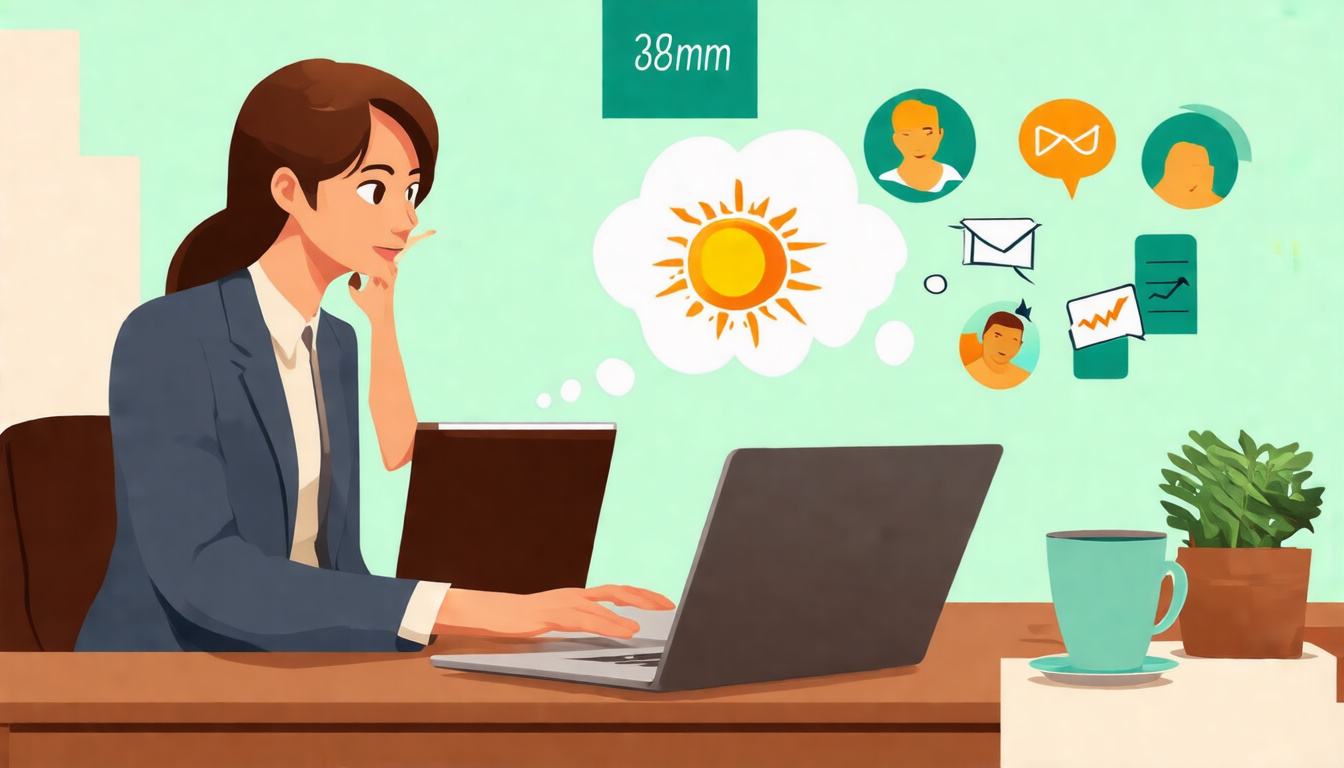
One question that arises is whether remote work stalls professional growth. Without daily in-person interaction, some workers feel invisible. They worry about being overlooked for promotions or important projects. Office presence sometimes serves as informal networking and relationship-building opportunities. Those moments, such as hallway conversations or lunch breaks, can influence how managers view employees.
Remote work can limit these spontaneous connections. At the same time, it demands strong communication skills and self-promotion to maintain visibility. If you only do average work or fail to highlight your contributions, it becomes easy to get lost.
Some workers report that remote roles lack the mentorship, collaboration, and peer learning that occur naturally when sharing physical space. Others mention that remote work can make it harder to get quick feedback or guidance. The absence of an office setting can dampen the sense of team spirit and shared purpose, making professional development slower.
On the flip side, remote work also teaches valuable skills. It requires discipline, initiative, and digital communication competence. Learning to manage projects and relationships online can prepare you for future roles that demand self-sufficiency and tech-savviness.
How to Protect Your Career While Working Remotely
Remote work is not inherently harmful to your career. The risks mostly come from how you manage your professional visibility and skill development. Here are some ways to ensure remote work doesn’t hold you back:
-
Increase Your Visibility
Regular communication is vital. Update your manager on your accomplishments and challenges. Volunteer to lead virtual meetings or present projects. Make sure your contributions get noticed, even if not in person. -
Build Relationships Actively
Find ways to connect with colleagues. Schedule one-on-one video calls. Join casual chats or virtual coffee breaks. Building rapport creates allies who can advocate for you. -
Sharpen Your Skills
Invest in learning new tools and methods that make remote collaboration easier. Stay current with industry trends to offer fresh insights. -
Seek Feedback Frequently
Ask supervisors and peers for regular input on your work. Use that feedback to improve continuously. -
Target Remote-First Companies
Some organizations embrace remote work as part of their culture. They often have processes and support in place to help remote employees thrive. If remote work suits your lifestyle, focus on getting roles at these firms. -
Protect Your Personal Data
Applying to jobs online often requires sharing sensitive information. That data may be collected and sold by brokers, leading to unwanted spam or fraud risks. Services exist that help remove your personal information from data brokers to secure your privacy.
Weighing the Pros and Cons
Remote work offers flexibility, saves commuting time, and can increase job satisfaction. But it can also isolate workers, reduce organic networking, and impose logistical difficulties, especially when companies reverse course and insist on office returns.
If you plan to build your career while working remotely, treat your job search and ongoing work like a deliberate project. Stand out by consistently delivering high-quality results and maintaining strong relationships over digital channels.
Lastly, remain aware of the external factors affecting your choices. Economic shifts in housing and labor markets influence your options more than your remote work status alone. Sometimes, accepting new roles or relocating becomes necessary to stay competitive.
Remote work does not have to sabotage your professional growth. However, it requires more intentional effort to navigate the hidden risks it brings. By doing so, you can take advantage of the benefits while staying on course for the career you want.