Unlocking Career Opportunities: The Ultimate Guide to Job Hunting Strategies that Work!
Finding a job can feel overwhelming and frustrating. Many people spend hours applying online with little to no response. While submitting applications is part of the process, it often stands as the least effective way to land a position. There are other paths to employment that offer better odds, save time, and reduce the stress of job hunting. This guide ranks common job-hunting methods and explains why some strategies work better than others.
1. Becoming an Internal Applicant
The most effective way to secure a job is by applying as an internal candidate. Being inside a company gives applicants a clear edge. Hiring managers often give preference to internal applicants because they require less onboarding and already understand the company’s culture and processes.
When a company receives applications for a role, internal candidates usually get priority. Even if the internal applicant’s skills do not perfectly match the job, they benefit from familiarity and a track record within the organization. Interviewers tend to give them the benefit of the doubt.
If you’re interviewing for a position and learn there’s an internal candidate, your chances decrease significantly. The internal candidate already knows the company, reducing their risk for hiring managers. If you want to tap into this advantage, consider building relationships within your current company or, when possible, seek promotions or internal transfers.
2. Getting a Referral
Referrals come next in terms of effectiveness. If you know someone in the company or can get a manager to vouch for you, your chances improve greatly. Referrals carry weight because a current employee essentially puts their reputation on the line by recommending you.
Hiring managers trust referrals because they often turn out to be reliable and motivated employees. Referrals can help bypass some stages of the screening process, speeding up your path to an interview and a job offer.
But what if you don’t know anyone at the company? Some job seekers hesitate here, feeling stuck. However, learning to network strategically online and offline can open doors. For example, platforms like LinkedIn make it easier to connect with employees, hiring managers, or recruiters. By engaging professionally, sharing your skills clearly, and offering value, you might get a referral even without prior personal connections.
3. Recruiter-Sourced Candidates
Recruiters often scout for candidates by searching through LinkedIn or other professional platforms. When a recruiter identifies potential candidates, they submit them directly to hiring managers. This method secures access to the recruiting process when someone else already does some vetting for you.
Recruiters aim to find people who closely match job requirements. They act as a bridge between the candidate and the company. If you catch a recruiter’s eye, you can save time because they pre-screen your profile before presenting it to the employer.
However, being recruiter-sourced means your profile needs to stand out. Make sure your online presence showcases your relevant skills, experience, and accomplishments. If your LinkedIn profile looks outdated or incomplete, recruiters might overlook you.
4. Applying Through Job Postings
The slowest and most challenging way to find work is through submitting applications via job boards or company websites. Employers receive a flood of applications for most postings, making competition fierce.
Submitting many applications takes a lot of time with little payoff. In addition, job descriptions may not align perfectly with your qualifications. Recruiters or managers might filter candidates quickly, which means your application doesn’t always get the attention you hope for.
Job applications should not be the only tactic in your job search. Think of them as one tool in a larger toolkit. If you rely solely on applying to public job postings, your success rate will likely remain low.
How to Make Job Hunting More Effective
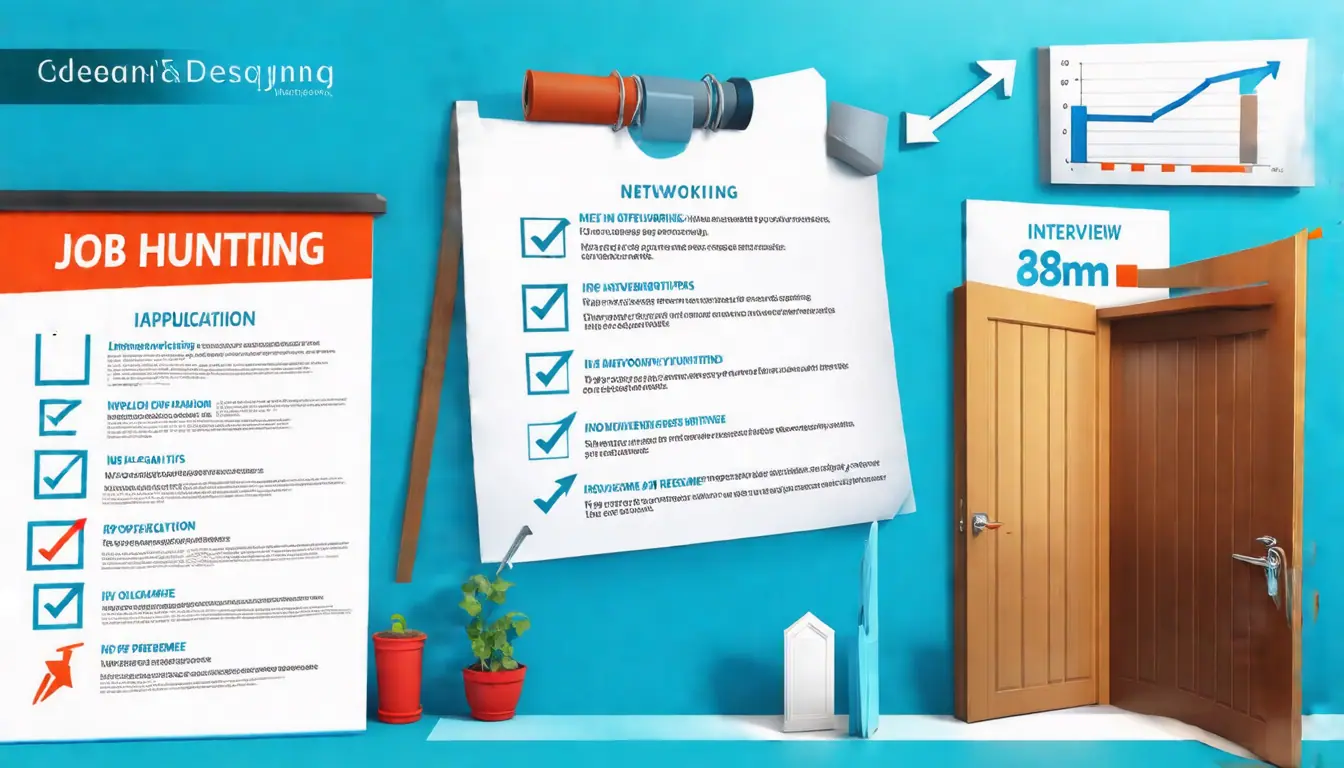
Understanding this ranking helps shape how you spend your energy and time hunting for jobs. Focus first on strategies that get you closer to the hiring decision:
- Build connections within companies where you want to work.
- Network thoughtfully to gain referrals.
- Optimize your online presence for recruiters to find you.
- Use job boards when needed but do not rely on them alone.
Networking is not just about asking for jobs. It involves sharing your skills, experiences, and interests genuinely. Attend relevant industry events, reach out to professionals on social media, or join groups related to your field.
Improving your LinkedIn profile will also enhance your chances with recruiters. Highlight your achievements, use clear descriptions, and include keywords that match your target roles.
Final Thoughts
The path to a new job involves more than clicking "apply." Prioritize internal applications and referrals to get an advantage. Let recruiters find you by presenting your best professional self online. Use job boards as one of many tools, not your entire strategy.
By focusing on effective strategies, your job search will become more manageable and yield better results. Keep connecting, improving your profile, and exploring internal movement. These steps unlock opportunities faster than sending out countless applications.
If you want to dive deeper into mastering job search techniques, many resources teach networking and referral strategies. Exploring these will empower you to approach your career with confidence.