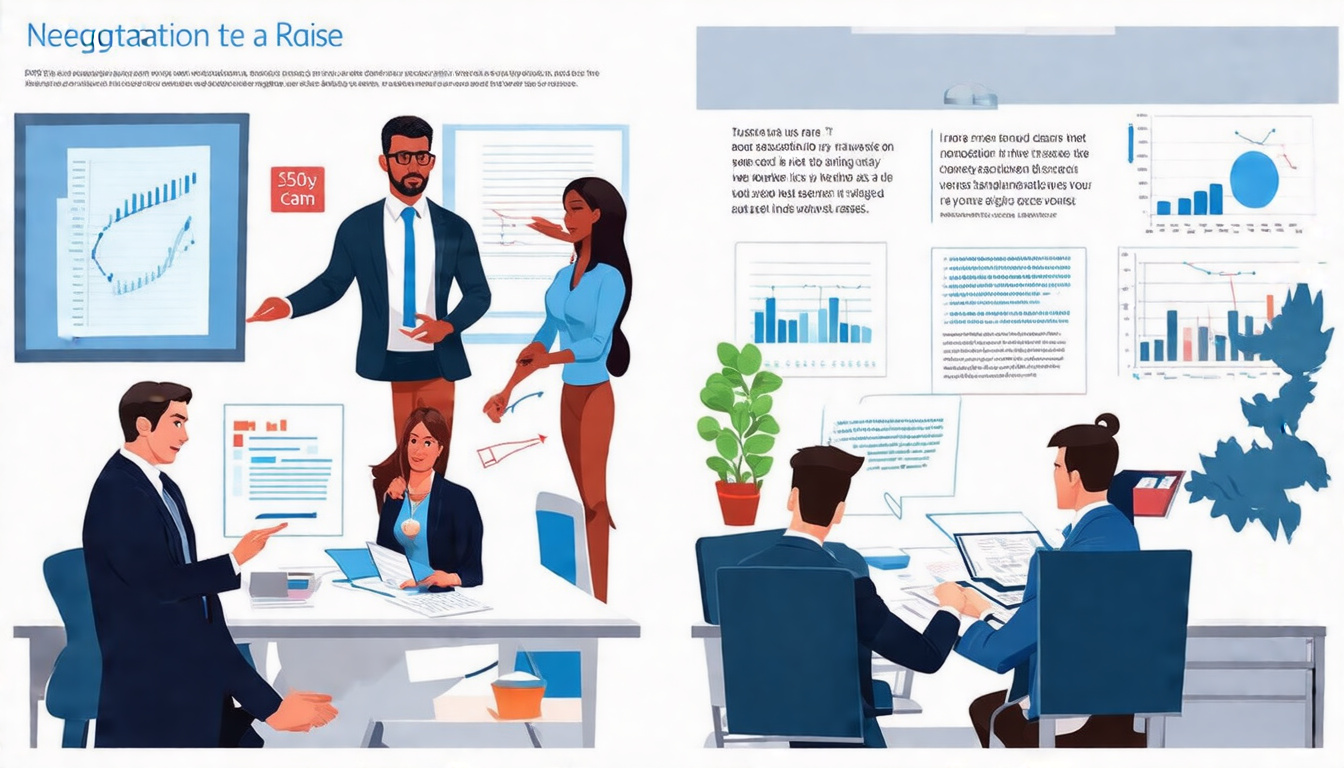
Negotiating a raise can feel like walking a tightrope. You want to highlight your worth without sounding demanding or creating tension. Many approach this conversation as if it pits them against their boss, as a battle of wills. However, this view often backfires. Instead, seeing the discussion as a teamwork exercise can open doors and ease the process.
When you prepare to ask for a raise, start by shifting your mindset from confrontation to collaboration. You and your manager want the same thing: the company to succeed and for you to grow within it. When you remember this, you create a more positive atmosphere for negotiation. Your raise becomes part of a story you are both writing, rather than a demand you are issuing.
A common mistake is to compare your salary to what others make. People mention average market rates or what their colleagues earn to justify their request. This approach tends to put your boss in a corner, forcing them into a yes-or-no decision. It makes the conversation feel adversarial and triggers a defensive response. Employers do not want to simply say no, but they may feel limited in how they can respond. This tactic rarely strengthens your case.
Instead, think of your work and salary as a journey with your company. Describe the progress you have made and the way you plan to continue growing there. Rather than asking for a raise based on external comparisons, focus on how your increased skills and contributions benefit the company. Highlight specific examples of projects you’ve handled, goals you have met, and problems you have solved. Make it clear that your development ties directly to the success of your team.
Frame your raise as part of your long-term development. This helps your manager see you as an asset who is investing in the company’s future. Talk about your career goals within the organization, and how you see your role evolving. Show enthusiasm for taking on bigger challenges and greater responsibilities. This signals commitment and encourages your manager to view the raise as an investment, not a cost.
Before the conversation begins, gather evidence that supports your case. Keep a list of your achievements over the past months or years. Include data where you can, such as sales increases, process improvements, or customer feedback. Be ready to explain how your performance boosts the company’s bottom line in measurable ways. This approach keeps the discussion focused on facts and outcomes.
When you set the meeting, communicate that you want to discuss your career path. This gives your manager time to prepare and frame the talk as a development session. During the meeting, listen closely to their feedback. Understanding their perspective helps tailor your response and shows respect. If they raise concerns about budget or timing, acknowledge these and look for alternatives, such as future reviews or non-monetary benefits.
Keep your tone calm and confident. Avoid phrases that imply entitlement or frustration. Instead, express appreciation for past opportunities and excitement about what lies ahead. The goal is to nurture trust and cooperation. Language that includes phrases like “I am eager to contribute more” or “I want to continue learning and growing here” keeps the focus positive.
If you sense hesitation, ask questions that invite dialogue. For example, “What skills or results would help make a raise possible?” or “When might be a good time to revisit this?” These questions turn a one-sided request into an ongoing partnership. You show willingness to meet expectations and adapt as needed.
Remember that securing a raise is often a process, not a single event. Follow up the conversation with a summary email thanking your manager for their time and outlining key points. This reinforces your professionalism and keeps your case fresh in their mind. If they set goals for you, confirm your understanding and ask for periodic updates.
Practice your negotiation by role-playing with a friend or mentor. Rehearsing helps calm nerves and builds persuasive skills. Find a balance between being assertive and open. Pay attention to body language and tone, as these cues influence how your message is received.
Negotiation involves more than just numbers. It requires empathy and communication skills. When you see your raise talk as a shared project, you create space for creativity and mutual benefit. Both you and your employer win when the conversation stays respectful and solution-focused.
Avoid making the conversation about others’ salaries or market averages. Instead, ground your case in your unique contributions and potential. Speak from a place of confidence in your value, not comparison or demand. By doing so, you open the door to a fair outcome that reflects your work and ambitions.
In short, the art of negotiation lies in collaboration, preparation, and clear communication. View your raise as part of your career’s story within your company, not a battle to win. With this approach, you can build a strong case and secure the compensation you deserve.