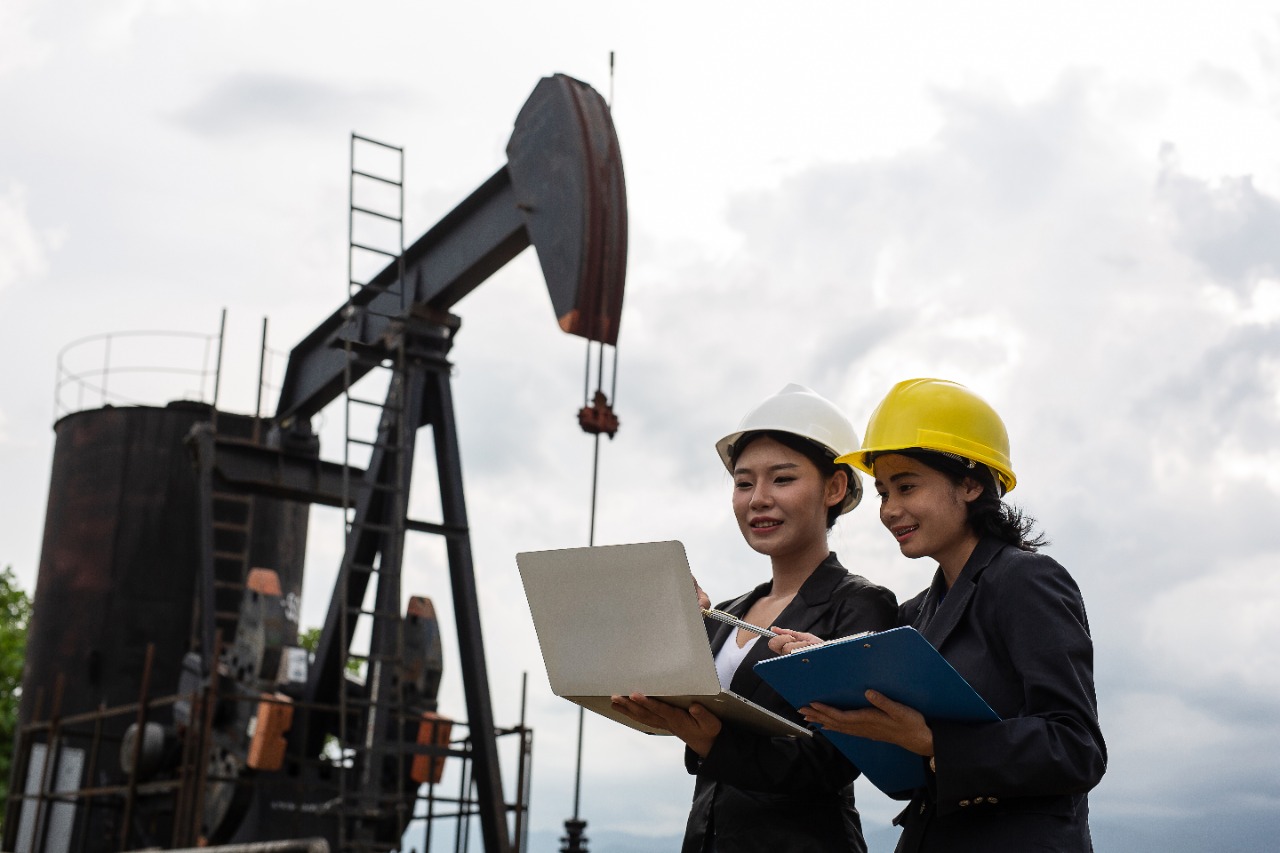
Denver is a giant center of the Energy Sector Recruiting industry. The Denver Oil and Gas recruiters in Denver have a different set of challenges nowadays. They have to recruit extremely talented individuals in remote and rough areas. The struggle for the best talent is ongoing. The conventional ways of hiring may not be effective in this highly dynamic setup.
Getting to know talent analytics
The question many people ask themselves is what geospatial talent analytics entails as regards hiring. It entails geographic data usage to comprehend the workforce. Recruiters keep an eye on the place of residence and movement of skilled workers. This technology is developing as the norm in Denver within the industry. It enables the recruiters to identify patterns that would have otherwise not been observed.
Mapping the Movement of Field Teams
The oil and gas industry has field teams that tend to be mobile. They cross state borders from one project to another. The oil and gas recruiters in the Denver Company follow these migrations through mapping tools. It is important to know the location where teams are completing a project. It enables recruiters to contact them at the right time. They are able to provide a new role when an existing contract expires. This schedule minimizes the time lapse between projects for the workers.
Finding and Developing the Right Skills
Even in the current market, not every field position is the same. There are jobs with extremely technical skills. Geospatial information helps recruiters to locate these particular specialists. They may seek individuals who have experience with some geological structures. The data will be able to indicate the teams that have previously worked in similar environments. Such a detail makes Energy Sector Recruiting even more efficient.

Hurdling Remote Location Obstacles
Oil and gas oil fields are often very remote. It is hard to find individuals who would be ready to work in such locations. This logistics puzzle can be solved with the help of geospatial talent analytics. Recruiters study the transportation behavior of the current field personnel. They determine the maximum distance that workers will go. Recruiters are able to be candid with candidates by getting to know the workforce of a place.
Improving the Competitiveness of the Region of Denver
Denver is also a competitive location for any professional service. The speed of the Oil and Gas Recruiters in this city has to be quicker than in the other areas. They have a clear speed advantage with the use of geospatial tools. They are able to recognize a talent pool and reach them within a few hours instead of several weeks. Visualizing the workforce is beneficial in long-term planning as well.
Information-Based Solutions to Future Development
The energy business is dynamic and never the same. The insights offered by Geospatial Talent Analytics are the keys to going through this change. Recruiters are able to view the ageing of the workforce in particular areas. They are able to know where the younger talents are finding their way to the market. This assists in the development of training programs that are focused on the appropriate areas. Data hiring eliminates a lot of guessing in hiring. It enables a scientific approach towards team building.
Creating Long-term Strong Teams
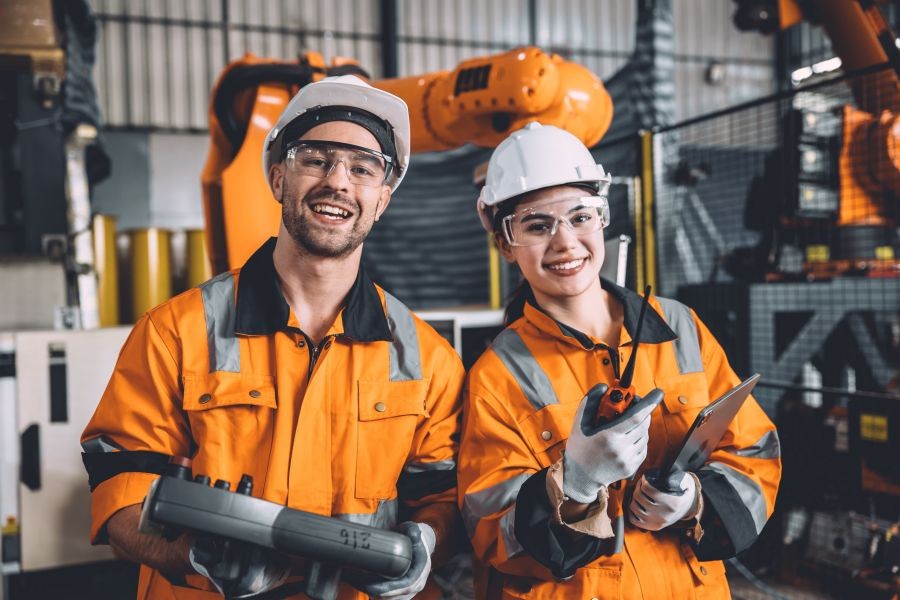
A winning field team is not just a team of people. It is a team that functions effectively in a stressful environment. Location data enables recruiters to view the cooperation history of teams with each other. They are also able to complete the crews of Energy Sector Recruiting that are already functional. This saves time that otherwise would be required to make a team productive in a new location. It also enhances security due to the fact that the workers have trust in one another.
FAQs
What is the benefit of this technology to field teams?
It is a better fit for teams and jobs that are more accessible or nearer to home. This results in reduced travelling time and improved work-life balance.
Is it costly for recruiters to use these tools?
Although this would incur an initial cost, the benefits of hiring better people are enormous. It minimizes the turnover cost and puts projects on schedule.
Will this information be able to forecast future trends in hiring?
Yes, it demonstrates the mobility of workers and their increasing skills. This assists businesses in strategizing on the requirements some years before.
Is this useful to the diversity in the energy sector?
Mapping also assists the recruiter in locating talent within underexploited regions. It enables them to contact a wider and more diverse group of applicants.
Where do Denver recruiters obtain this geographic information?
They apply the specialized software, which integrates the labor statistics with mapping technology. This gives them a strong tool of visual representation in their day-to-day work.