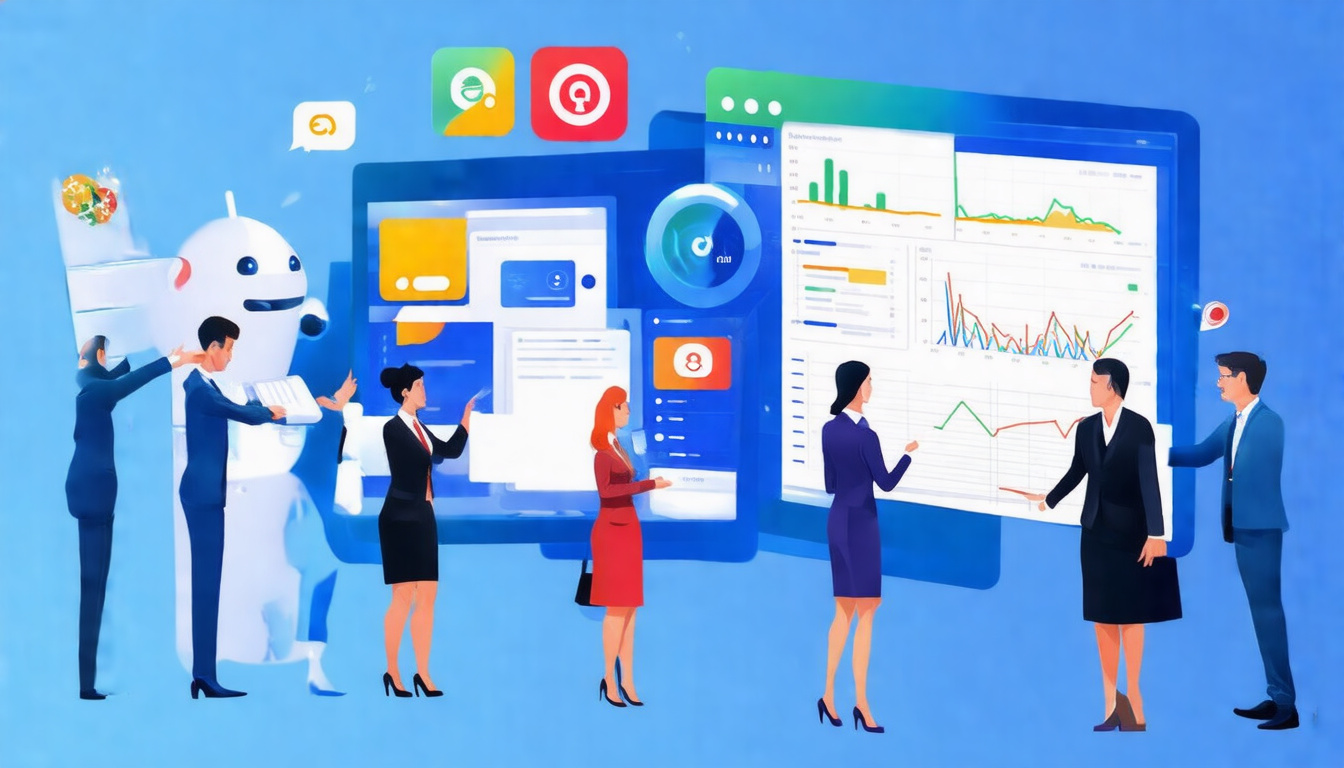
The recruitment landscape is undergoing a profound transformation thanks to the integration of Artificial Intelligence (AI). What was once a manual, time-intensive process filled with repetitive tasks and unconscious biases has evolved into a more efficient, data-driven, and inclusive system. AI is no longer just an adjunct tool in talent acquisition but has become a core architect in reshaping how companies identify, engage, and select talent. This article explores how AI is revolutionizing recruitment processes, the benefits it brings, and practical applications reshaping hiring strategies worldwide.
Understanding AI in Recruitment
AI in recruitment refers to the use of artificial intelligence technologies—ranging from machine learning algorithms to natural language processing—to automate and optimize various stages of hiring. While many associate AI primarily with candidate resume screening, its applications extend widely to include candidate sourcing, interview scheduling, engagement through chatbots, assessment analysis, diversity and inclusion initiatives, and workforce planning.
Machine learning, a subset of AI, empowers these systems to continuously learn from data patterns and improve predictions without human intervention, ensuring that recruitment processes become smarter and more refined over time.
Key Benefits Driving AI Adoption in Recruitment
1. Drastically Reduces Time-to-Hire
Recruitment traditionally demands significant manual labor, from sifting through resumes to arranging interviews. AI-powered systems automate many of these time-consuming tasks. For example, AI can rapidly filter thousands of applications, scanning for relevant keywords, qualifications, and experience to shortlist suitable candidates in minutes rather than days or weeks.
This acceleration helps organizations reduce the average time to hire, which currently hovers around 44 days globally, dramatically improving operational efficiency and allowing HR teams to focus on strategic engagement and relationship building.
2. Enhances Fairness and Promotes Diversity
Unconscious bias is an inherent risk in human-driven recruitment, often influencing hiring decisions unwittingly. AI, when carefully designed and monitored, provides an objective evaluation framework that helps neutralize bias. For instance, some AI tools analyze job descriptions to remove gender-coded language or other biased terms that might dissuade underrepresented groups from applying, fostering more diverse candidate pools.
Through intelligent design, AI supports companies in upholding diversity, equity, and inclusion (DEI) policies by ensuring consistent and fair screening aligned with organizational values.
3. Improves Candidate Experience and Communication
Recruitment often involves communicating with hundreds or thousands of applicants, a daunting task for HR teams that frequently leads to candidate frustration. AI-powered chatbots and engagement platforms maintain timely communication by answering FAQs, updating candidates on their application status, and providing a personalized recruitment journey.
Such improvements not only enhance the candidate experience but also bolster a company’s reputation as an employer of choice.
4. Data-Driven and Predictive Hiring Decisions
Beyond automation, AI excels at analyzing complex data sets to predict candidate success and fit. Recruiters gain access to actionable insights from candidate assessments, behavioral simulations, and historical hiring data, enabling informed decision-making. Predictive analytics help anticipate workforce needs, align hiring strategies with business goals, and optimize onboarding processes.

Practical Applications Changing Recruitment Today
AI-driven recruitment tools are implemented across various dimensions, transforming each phase of the hiring lifecycle:
-
Resume Screening and Talent Rediscovery: AI platforms categorize and analyze resumes by skills, experience, and education, efficiently eliminating unqualified applicants. Moreover, AI scans past applicants’ databases to identify potential matches for new roles, offering candidates additional opportunities.
-
Chatbots and Virtual Assistants: These tools provide instant support to applicants—answering questions, gathering information, and scheduling interviews—thereby increasing responsiveness and scalability.
-
AI-Powered Assessments: Virtual simulations and skill tests powered by AI evaluate candidates on relevant competencies and decision-making abilities with objective scoring systems.
-
Bias Detection and Mitigation: AI tools audit job postings and hiring processes to flag and minimize biased language or evaluation criteria, encouraging equitable treatment.
-
Workforce Planning and Onboarding: AI analyzes hiring trends and business needs to forecast talent demand, optimize recruitment budgeting, and streamline new hire integration.
The Future Outlook: An AI-Driven Hiring Ecosystem
The trajectory toward AI-driven recruitment is unmistakably robust, with market forecasts predicting growth from $1.35 billion in 2025 to over $2.6 billion by 2029. Leading organizations, especially among Fortune 500 companies, are adopting AI solutions not merely as support tools but as strategic drivers that redefine talent acquisition and workforce management.
However, the human element remains essential. AI excels at amplifying recruiter capabilities by automating repetitive tasks and enhancing decision quality, freeing HR professionals to nurture relationships and develop strategic talent initiatives. Balancing AI efficiency with human judgment will define recruitment success moving forward.
Conclusion
Artificial Intelligence is revolutionizing recruitment by introducing unprecedented speed, objectivity, and candidate engagement into the talent acquisition process. By embracing AI responsibly, organizations can streamline workflows, minimize biases, strengthen their DEI initiatives, and ultimately secure better hires aligned with their culture and goals. As the digital age advances, AI’s role in recruitment is set not only to continue but to deepen, heralding a new era of intelligent, inclusive, and successful hiring.