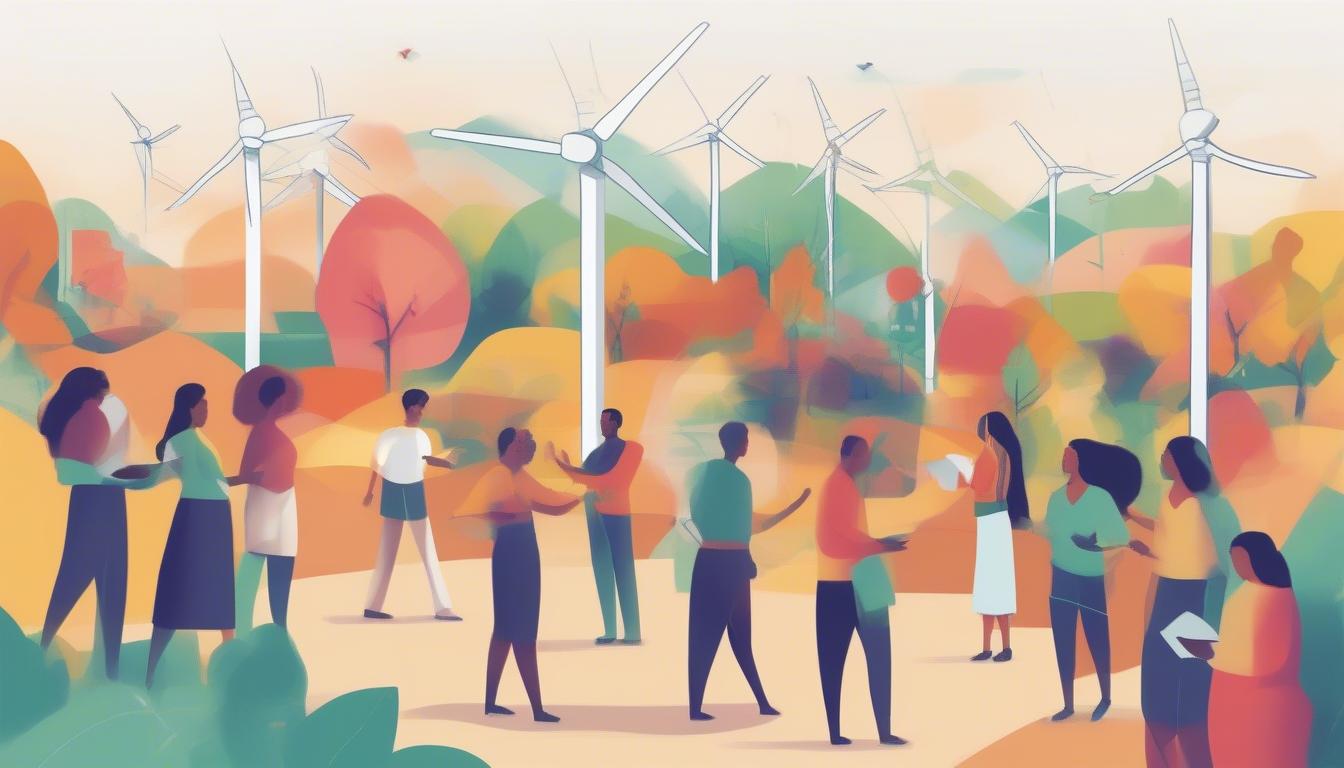
As nations strive to meet ambitious climate goals, new energy infrastructure projects are cropping up worldwide, heralding a transformative shift towards sustainable energy solutions. These projects aim not just to mitigate climate change but also to stimulate economic growth, foster innovation, and create resilience against future energy demands. In this article, we explore notable projects shaping the new energy landscape, the critical role of policy frameworks like the National Environmental Policy Act (NEPA), and the collaboration between public entities and private sectors in this monumental shift.
Investment and Government Initiatives
United States’ Commitment
The U.S. Department of Energy (DOE) is at the forefront of the clean energy revolution, channeling over $97 billion towards the deployment of clean energy technologies through initiatives such as the Bipartisan Infrastructure Law and the Inflation Reduction Act. These investments are targeted at enhancing energy affordability, reducing carbon emissions, and promoting domestic manufacturing. The DOE’s efforts encompass a broad spectrum of strategies, including carbon management and hydrogen fuel development, all while ensuring job creation in high-quality sectors.
The importance of carbon management technologies cannot be overstated. The deployment of carbon capture, utilization, and storage (CCUS) infrastructure is essential for achieving net-zero emissions by 2050. The DOE’s multifaceted approach includes collaborating with community stakeholders to enhance energy infrastructure improvements and ensure equitable access to clean energy technologies.
The Role of NEPA
NEPA serves as a critical regulatory framework designed to guide federal agencies in evaluating the environmental impacts of proposed projects. Its requirements for public involvement empower local communities, ensuring that their voices are heard during project planning. While often criticized for delays, research indicates that most project slowdowns stem from inadequate agency budgets and administrative challenges rather than the NEPA process itself. This dispels the myth of NEPA as a hindrance and reinforces its role in fostering a sustainable and just energy future.
Understanding these dynamics helps to craft energy infrastructure projects that align community benefits with project goals. Successful case studies illustrate the significance of stakeholder engagement, adaptability in communication strategies, and leveraging traditional ecological knowledge, particularly from Indigenous communities. These practices help to smooth project progression while maximizing social and environmental returns.
Noteworthy Global Projects
Offshore Wind in Denmark
Denmark continues to lead the charge in renewable energy with its ambitious offshore wind power initiative, which includes the construction of an artificial island. Expected to be operational by 2033, this project aims to generate sufficient energy to power the nation’s grid and beyond, serving as a model for other coastal nations looking for scalable renewable solutions.
The Chilean Renewable Initiative
In Latin America, Chile’s Mainstream Renewable Power is set to revolutionize energy supply with a $1.8 billion project encompassing multiple wind and photovoltaic solar farms. This initiative aims to produce renewable energy sufficient for 20% of Chile’s households, propelling the nation closer to its 2050 carbon neutrality target.
Advanced Solar Solutions in the UAE
The United Arab Emirates is making strides towards sustainable energy with plans for the world’s largest single-site solar power plant. The Al Dhafra project, located south of Abu Dhabi City, represents a bold move towards diversifying the energy mix and reducing dependence on fossil fuels.
Conclusion
As we stand at the brink of a new energy epoch, the integration of innovative projects worldwide showcases the potential of clean energy infrastructure to address pressing environmental and economic challenges. By aligning public policy with private investment and community engagement, these initiatives not only promise to deliver cleaner energy solutions but also reinforce the importance of social equity in the energy transition.
Looking ahead, it is imperative that stakeholders continue to prioritize collaborative frameworks that not only aim for efficiency and progress but also emphasize the well-being of communities impacted by energy projects. This holistic approach will be crucial as we navigate the complexities of our transitioning energy systems, ensuring a sustainable, prosperous future for all.