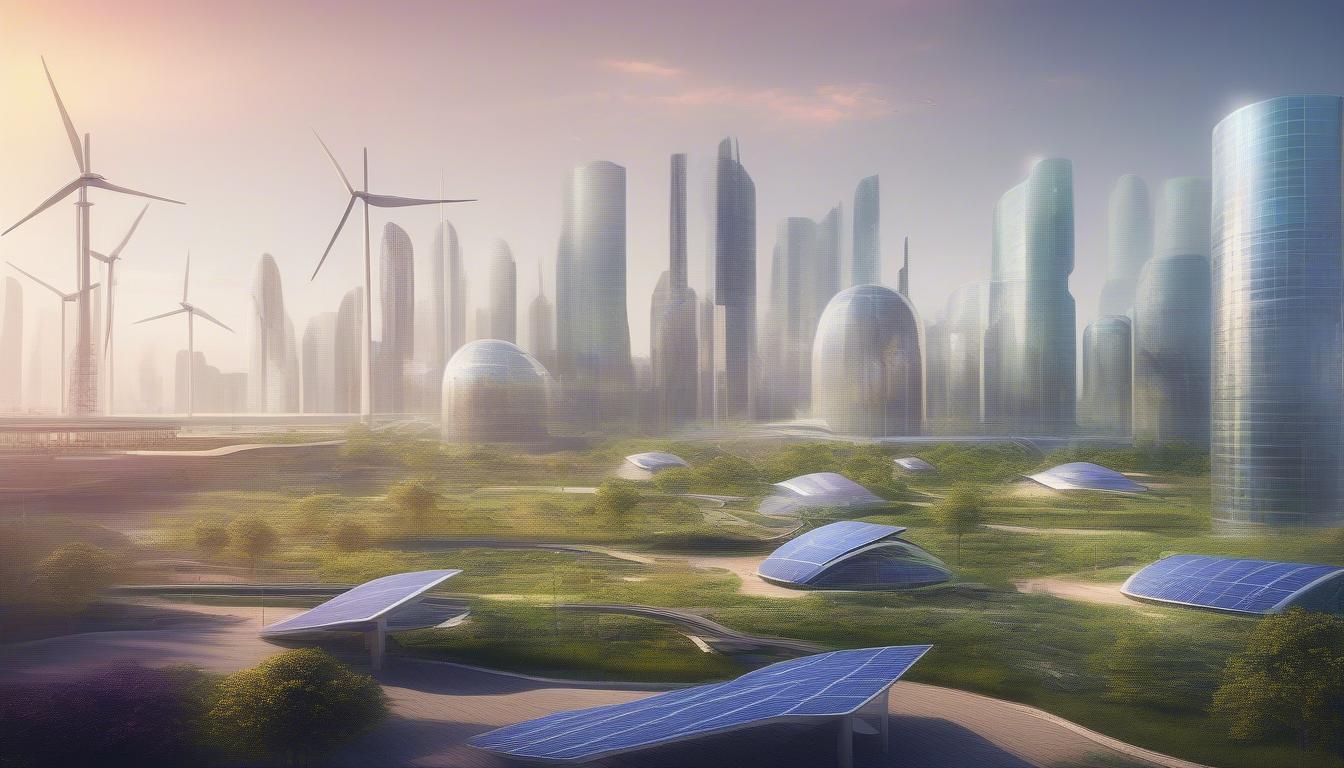
In 2025, the energy sector stands at a pivotal moment, driven by a complex interplay of shifting consumption patterns, international geopolitical dynamics, and evolving technological advancements. Understanding these factors is crucial for stakeholders within the energy market, including investors, policymakers, and corporate strategists. This article synthesizes economic forecasts from prominent energy agencies to provide insight into what the future may hold for the energy landscape.
Global Energy Demand Trends
Forecasts indicate that global energy consumption will experience a modest growth rate of approximately 1.6% through 2025. This growth is primarily fueled by developing countries, which are expected to lead demand as their economies expand. While emerging markets, particularly in Asia, show potential for significant demand, developed countries appear to be stagnating, limiting the overall escalation in energy use.
Contrarily, the energy sector is influenced by a labyrinth of geopolitical tensions, environmental regulations, and infrastructure challenges. Factors such as these threaten investment flows and pose additional risks for energy sector stakeholders.
Oil Market Dynamics
The oil market is poised for notable changes in the next few years. According to the U.S. Energy Information Administration (EIA), global oil production is projected to supersede demand over the next two years. With expected increases in oil production—predominantly due to OPEC+ unwinding prior production cuts—the EIA forecasts that Brent crude oil prices will decline from about $74 per barrel in 2025 to around $66 per barrel in 2026. Moreover, the EIA predicts that U.S. crude oil production will reach an annual record of 13.5 million barrels per day (b/d) in 2024, stabilizing thereafter but experiencing marginal growth in 2026. This outlook underscores the anticipated shift in consumption patterns, where the majority of oil demand growth is projected to occur in non-OECD countries, primarily driven by India. Retail gasoline prices are also expected to fall slightly in line with decreasing crude oil prices, a trend that may offer respite for consumers, albeit modest.
Natural Gas and Renewable Energy
Natural gas plays a crucial role in the energy transition, with forecasts suggesting rising spot prices due to increased demand, particularly for liquefied natural gas (LNG) exports. Prices at the Henry Hub are anticipated to rise from historical lows, averaging around $3.10 per million British thermal units (MMBtu) in 2025 and $4.00/MMBtu by 2026. In terms of renewable energy, solar generation is set to soar, supported by significant increases in solar capacity in the U.S. This growth will contribute to a 34% increase in solar energy generation in 2025, maintaining momentum into 2026. However, the rising costs of natural gas are expected to lead to a slight decline in natural gas generation as alternatives become more economically viable.
Economic Underpinnings and Influences
The economic forecasts rely heavily on macroeconomic indicators, including expected U.S. GDP growth of approximately 2% in 2025 and 2026. These figures indicate a generally stable economic environment, although external factors—such as geopolitical strife and environmental regulations—may hinder growth potential.
Moreover, the International Energy Agency (IEA) alert that investment in renewable technologies and infrastructure will require careful navigation of regulatory landscapes and financial certainty to thrive in this evolving amid challenges.
Conclusion
The energy sector’s economic forecasts for 2025 and beyond reveal a dynamic landscape characterized by shifting consumption patterns, geopolitical complexities, and the transition towards renewable energy sources. Stakeholders must remain vigilant and adaptable, leveraging data-driven insights to navigate potential challenges and capitalize on emerging opportunities. The successful transition towards sustainable energy will demand a collective effort to address the intricacies of market trends, consumer behaviors, and environmental impacts as we move further into the new energy era.